
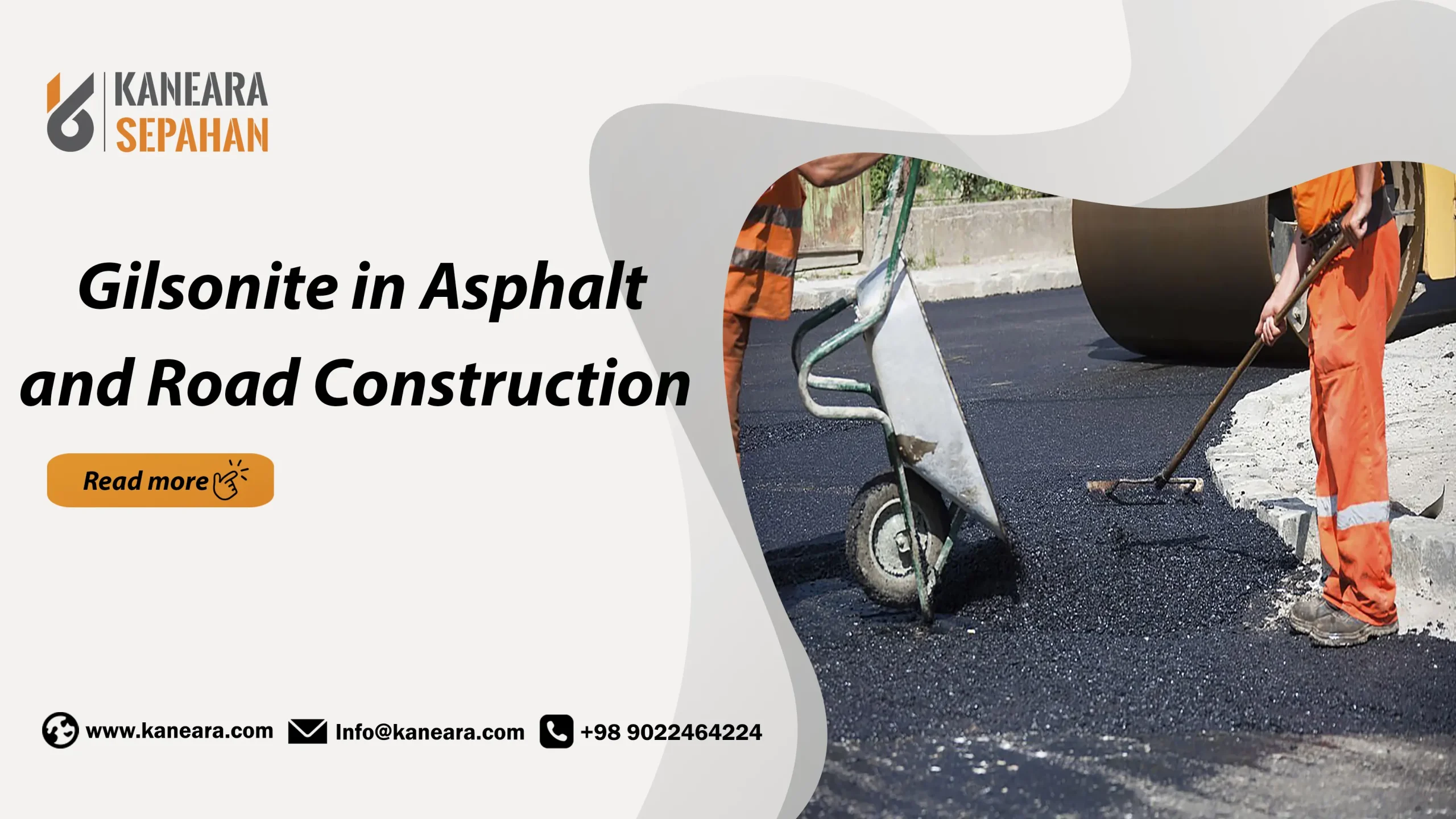
benefits of When it comes to building durable, long-lasting roads, choosing the right materials can make all the difference. One of the unsung heroes in the world of road construction is Gilsonite—a natural asphalt modifier that has been transforming asphalt mixtures for decades.
From enhancing the flexibility and durability of pavements to improving resistance against harsh weather conditions, the benefits of Gilsonite in asphalt are numerous and well-documented.
If you’re a contractor, engineer, or industry professional looking to boost road performance, understanding how using Gilsonite in asphalt can revolutionise your projects is crucial.
Understanding the Role of Gilsonite in Road Construction
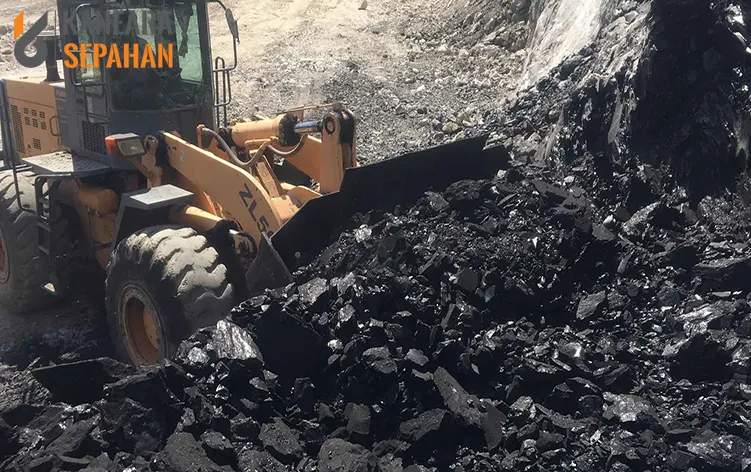
Gilsonite is a naturally occurring hydrocarbon resin, sometimes called “natural asphalt,” with a distinctive glossy black appearance. Its unique chemical composition allows it to improve the performance of asphalt by enhancing adhesion, flexibility, and resistance to wear.
Widely sourced from the United States, Gilsonite has proven to be a cost-effective and environmentally friendly alternative to synthetic asphalt modifiers.
For engineers and contractors looking to maximise pavement durability, exploring the applications of Gilsonite in asphalt is becoming increasingly important.
How Gilsonite Enhances Asphalt Performance
Improved Durability and Longevity
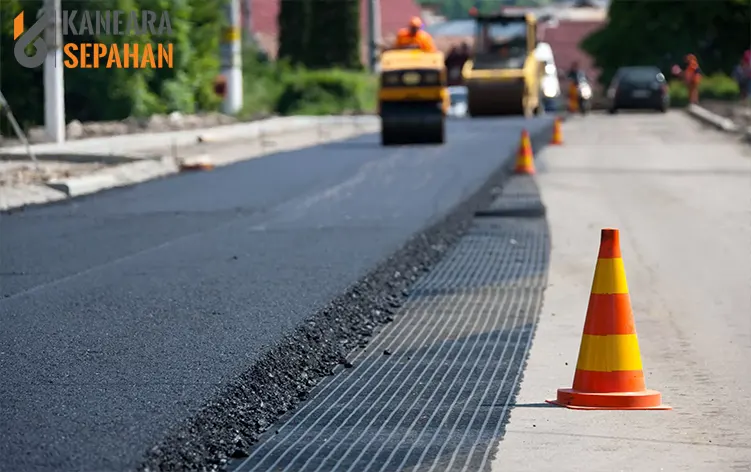
One of the most significant advantages of using Gilsonite in asphalt is its ability to increase the durability and lifespan of roads. When mixed with conventional asphalt, gilsonite improves cohesion, making pavements more resistant to rutting, cracking, and deformation under heavy traffic loads. This is particularly valuable in areas with high vehicle congestion or extreme temperature fluctuations.
Enhanced Resistance to Weathering
Roads are constantly exposed to sun, rain, snow, and chemical de-icing agents. Gilsonite enhances asphalt’s resistance to oxidation and ageing, ensuring pavements maintain their integrity for longer. By incorporating gilsonite, road construction projects can significantly reduce maintenance costs over the lifespan of the pavement.
Superior Flexibility and Load-Bearing Capacity
Gilsonite improves the elasticity of asphalt mixtures, allowing them to flex under heavy loads without cracking. This flexibility is especially important in regions with frequent temperature changes or areas prone to soil movement. Roads constructed with gilsonite for road construction maintain structural integrity, even under high-stress conditions.
Applications of Gilsonite in Road Construction
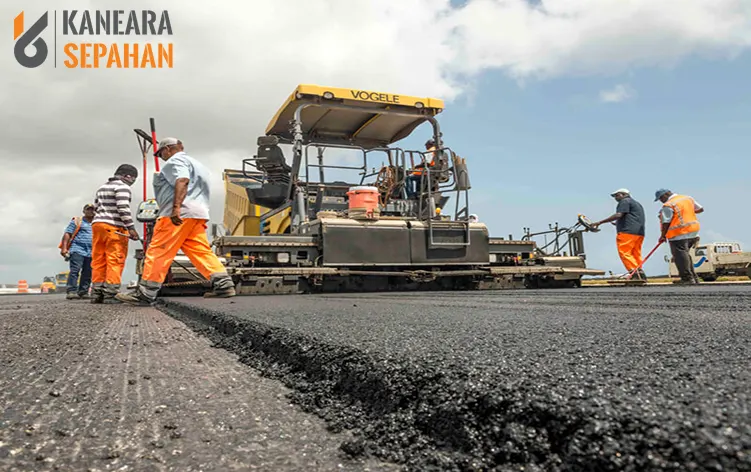
Hot Mix Asphalt: Hot mix asphalt (HMA) is one of the most common applications of gilsonite. By adding gilsonite to HMA, engineers can produce a mix that is both durable and cost-effective. The natural binding properties of gilsonite enhance adhesion between aggregates, improving the overall strength of the pavement.
Cold Mix Asphalt: Gilsonite is also suitable for cold mix asphalt, which is often used for patching and maintenance work. Even in cold applications, gilsonite helps improve cohesion and ensures long-lasting repairs without the need for frequent reapplication.
Surface Treatments: Gilsonite can be used in surface treatments, such as chip seals and tack coats, to enhance water resistance and reduce surface wear. Its natural asphalt properties help protect roads against moisture penetration, which is a common cause of pavement deterioration.
Environmental and Economic Benefits
Eco-Friendly Material: As a naturally occurring hydrocarbon, Gilsonite is considered environmentally friendly compared to synthetic asphalt modifiers. Its use reduces reliance on petroleum-based additives, helping projects achieve greener construction standards.
Cost Efficiency: While the initial cost of Gilsonite may be slightly higher than conventional additives, its long-term benefits outweigh the investment. Roads constructed with Gilsonite require less frequent maintenance, leading to substantial cost savings over time.
Contractors and municipalities often refer to the gilsonite price per ton when planning budgets. The return on investment is significant due to reduced repair costs and longer-lasting pavements.
Gilsonite in Asphalt vs. Traditional Asphalt Modifiers
Unlike many synthetic polymers, Gilsonite is naturally compatible with asphalt and requires minimal processing. Traditional modifiers may improve certain aspects of pavement performance but often come with trade-offs in terms of cost, environmental impact, and long-term durability.
Using Gilsonite in asphalt provides a balanced solution, offering enhanced flexibility, superior resistance to wear, and environmental sustainability in a single additive.
Other Industrial Applications
Although Gilsonite plays a major role in road construction, its versatility reaches far beyond this sector. In fact, gilsonite in oil and gas is widely utilised as a lost circulation material and as an effective component in drilling muds thanks to its strong adhesion properties.
This cross-industry usage showcases Gilsonite’s adaptability and further strengthens its position as a valuable industrial resource.
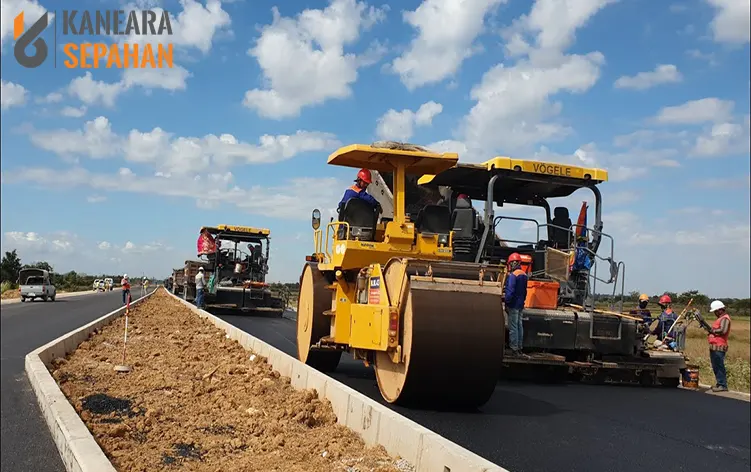
Key Benefits of Gilsonite in Asphalt and Road Construction
1. Improves road durability and reduces cracking
2. Enhances flexibility under heavy loads
3. Provides superior resistance to weathering and oxidation
4. Reduces maintenance and repair costs over time
5. Eco-friendly and sustainable alternative to synthetic modifiers
6. Compatible with hot and cold mix asphalt applications
By considering these advantages, engineers and contractors can make informed decisions about incorporating gilsonite into their road construction projects.