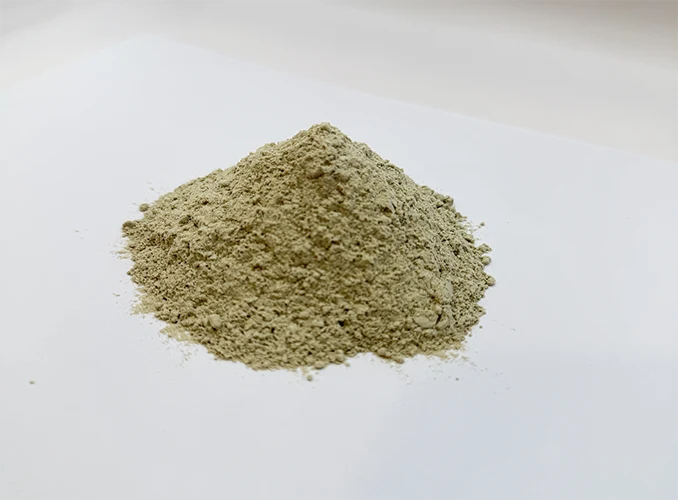
Kane Ara Sepahan supplies premium bentonite HDD produced from carefully selected deposits in Iran for contractors, drilling companies, distributors, and industrial buyers worldwide.
Mined in Iran
With every shipment
Russia & CIS, Turkey, Europe, Middle East
Before bulk orders
Horizontal Directional Drilling (HDD) projects demand a drilling fluid that remains stable under changing ground conditions, minimizes fluid loss, and supports efficient borehole cleaning. Choosing the wrong bentonite can increase drilling costs, slow project progress, and even lead to borehole instability or stuck pipe.
Our bentonite HDD is manufactured from high-quality sodium bentonite and engineered for demanding trenchless drilling operations. With excellent swelling capacity, high yield, and reliable rheological performance, it helps contractors achieve smoother drilling, lower bentonite consumption, and more consistent results across different soil formations.
For international buyers, product quality is only one part of the purchasing decision. Reliable supply, technical documentation, and responsive communication are equally important — and as one of the largest bentonite producers in the region, with export experience to more than 10 countries, we’re built to deliver on all three.
Technical Specifications of HDD bentonite
Property | Typical Value |
Product Type | Sodium Bentonite (API 13A compliant) |
Application | HDD Drilling Fluid |
Yield | ≥ 16 m³/ton (≈ 85–100 bbl/ton) |
Swelling Capacity | ≥ 20 mL / 2g |
Marsh Funnel Viscosity | 40–70 sec/quart |
Fluid Loss (API) | ≤ 15 mL / 30 min |
pH | 8.5 – 10.5 |
Moisture Content | ≤ 12% |
Mesh Size | 200 mesh (74 micron), ≥ 95% passing |
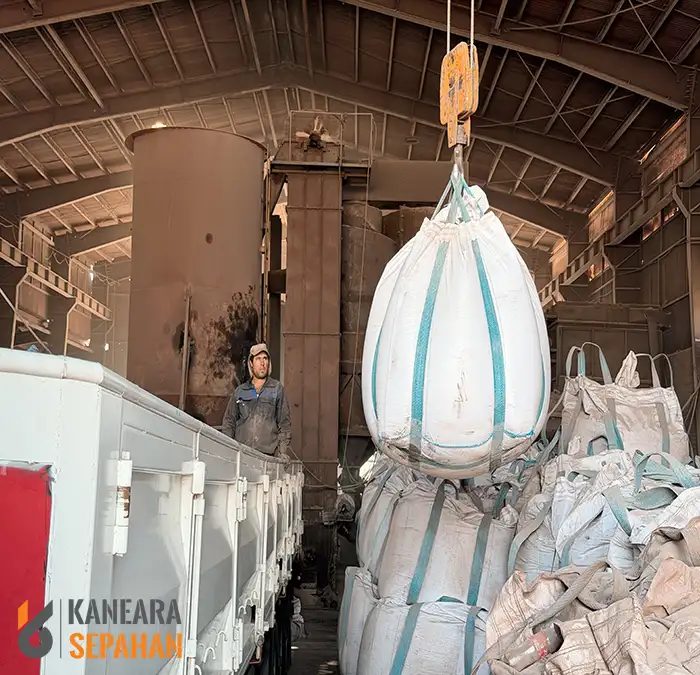
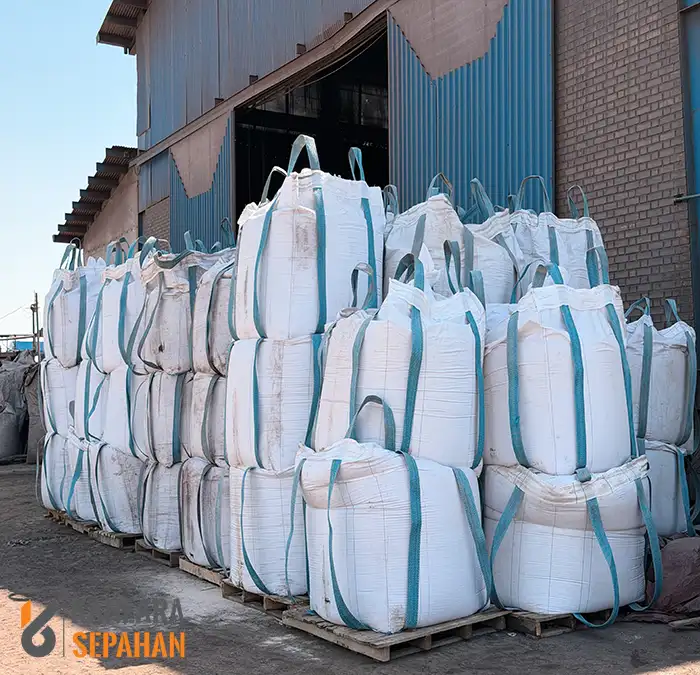
Packaging | 25 kg Bags / Jumbo Bags |
Horizontal Directional Drilling (HDD) requires a drilling fluid that can perform reliably under varying ground conditions. The right bentonite helps maintain borehole stability, control fluid loss, and support effective cuttings removal throughout the drilling process.
Our HDD bentonite is produced from high-quality sodium bentonite and formulated for demanding trenchless drilling applications. Its key characteristics include:
By providing stable drilling-fluid performance, our bentonite helps contractors maintain smoother operations and achieve more consistent drilling results across a variety of ground formations.
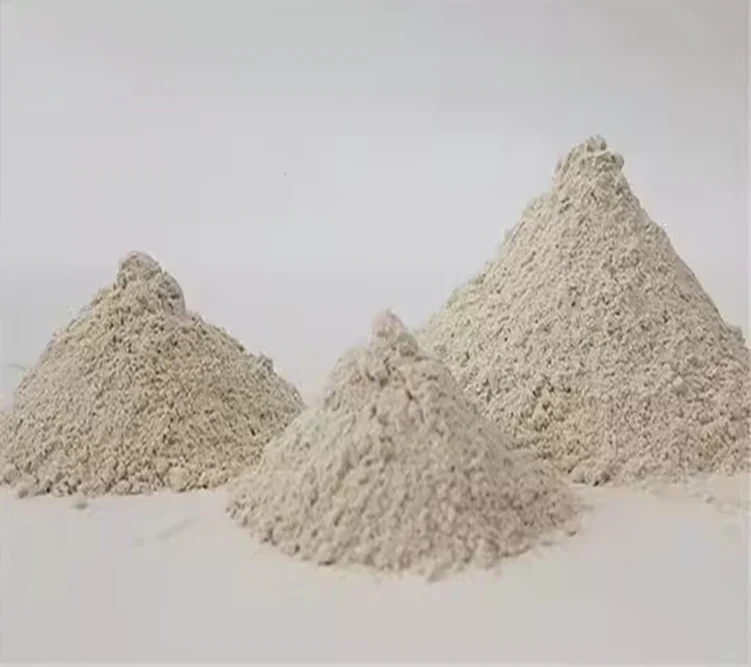
Why Choose Kane Ara as Your Bentonite HDD Supplier?
COA, TDS & MSDS prepared and shipped with every order, alongside the CAS number and HS code.
Verify grade and form before committing to a full shipment — arranged directly with the sales team.
Mined and processed at one facility, so grade doesn't drift between batches or shipments.
Payment terms upon agreement.
Support for international transactions.
Export to Russia & CIS countries.
Experience across international markets.
Fast & Professional Response · Transparent Contracts
Quoted against your grade, form, volume, Incoterm and destination port — no fixed catalogue rate.
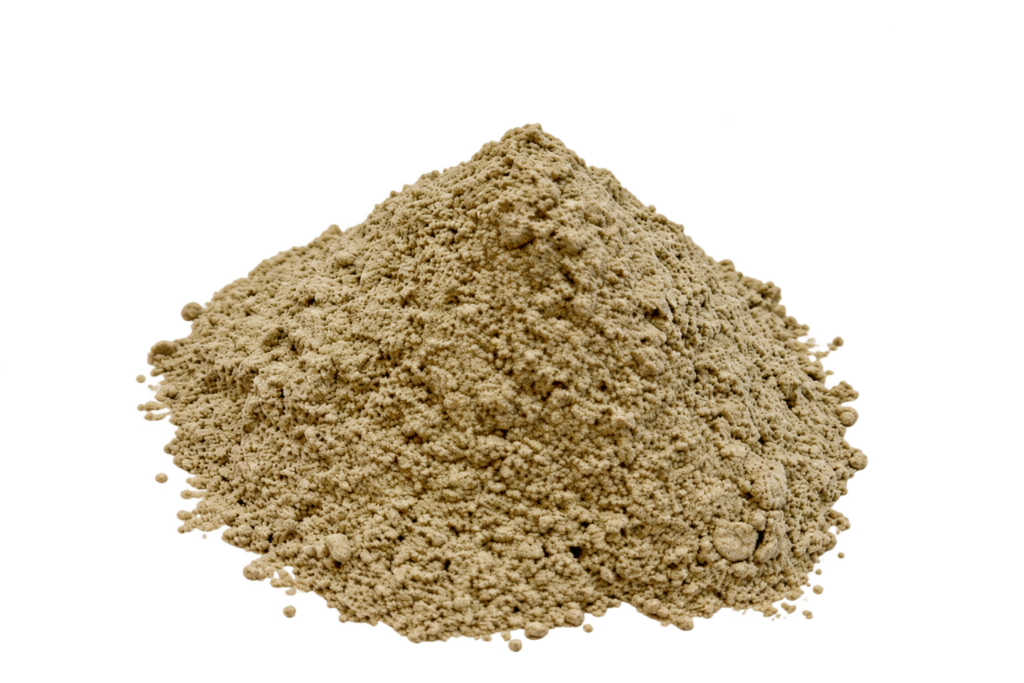
Send us your required grade, quantity, destination, and packaging, and our team will provide a suitable quotation and technical details.
Why Choose Our Bentonite for HDD Drilling?
Not all bentonite products deliver the same drilling performance. Our bentonite for HDD drilling is produced for contractors, distributors, and industrial buyers who require consistent quality for large-scale projects.
Key Advantages
Whether you are drilling for pipelines, fiber optic cables, water networks, or utility installations, a stable drilling fluid directly contributes to lower operational costs and improved project efficiency.
Selecting the right HDD bentonite depends on factors such as soil conditions, bore length, drilling method, and fluid performance requirements. Our technical team can recommend the most suitable grade based on your project specifications to help improve drilling efficiency and reduce overall bentonite consumption.
Beyond standard clay and sand formations, our technical team adjusts mud design recommendations for more challenging conditions — such as gravel beds, fractured rock, and high-water-table zones — helping you avoid fluid loss and stuck-pipe risk before drilling begins.
Yes. We offer product samples along with detailed technical documentation, including COA and other relevant analyses, allowing you to evaluate the product before confirming a bulk purchase.
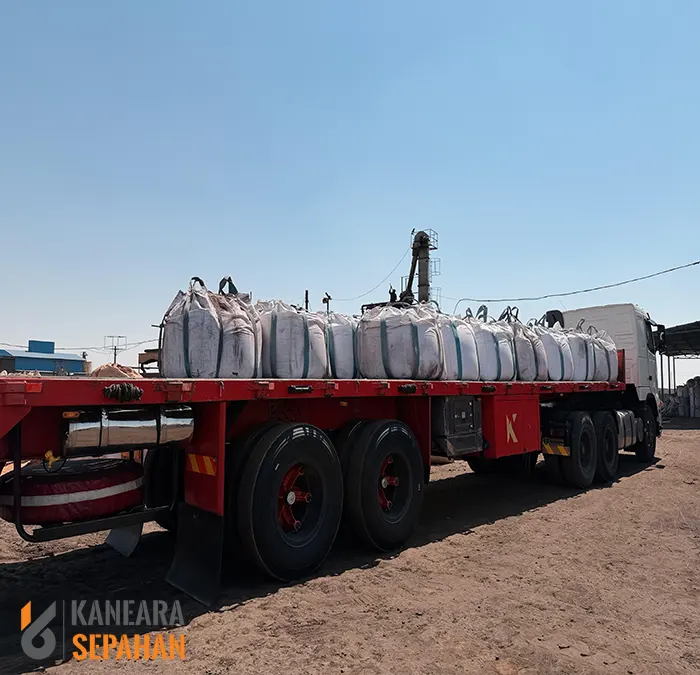
Our minimum order quantity is 20 metric tons (20 MT). We supply bulk orders for distributors, contractors, and industrial buyers, with export packaging available in 25 kg bags or jumbo bags according to customer requirements.
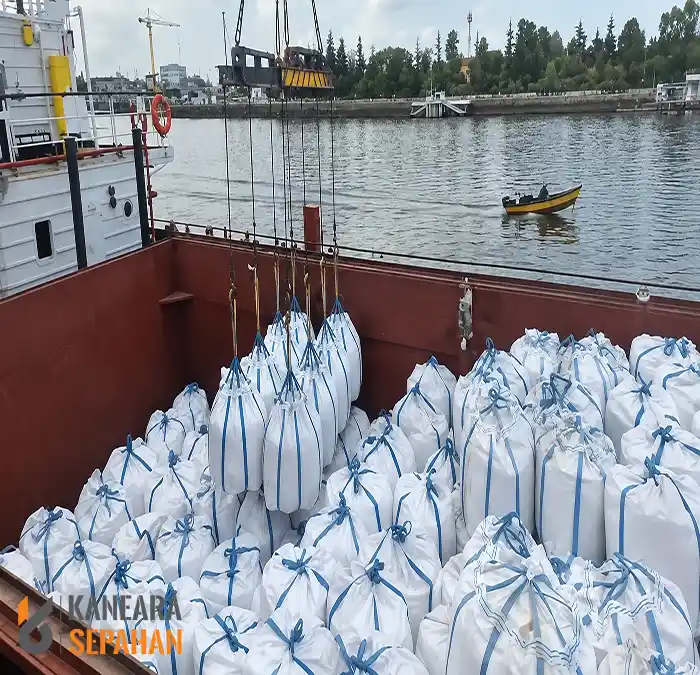
We currently ship to distributors and contractors across the CIS region, the Middle East, and South Asia, with export documentation and Incoterms (FOB/CFR/CIF) arranged according to each buyer’s preferred shipping method.