Gilsonite has become one of the most reliable additives in modern drilling operations, especially in water-based and oil-based mud systems.
Its unique thermoplastic nature, high asphaltic content, and ability to seal micro-fractures make it a powerful solution for mitigating fluid loss, stabilizing shale, and improving wellbore integrity.
This article explains the roles of Gilsonite in drilling fluid, recommended dosages, practical application methods, and real field results—helping drilling engineers, mud companies, and procurement teams understand why using Gilsonite for drilling fluids delivers both technical and economic advantages.
In increasingly complex drilling environments, operators face persistent challenges, including fluid loss, unstable shale formations, and wellbore integrity issues. For decades, Gilsonite for drilling muds has been a trusted additive due to its natural sealing properties and compatibility with a broad range of mud systems.
With rising demand for efficient loss-circulation material (LCM) and shale stabilizer solutions, more companies are now turning to high-quality Gilsonite sources to improve drilling performance.
As drilling projects deepen and move into more sensitive formations, the need for cost-efficient and non-damaging additives continues to grow. That is where Gilsonite offers measurable value.
Its proven performance aligns with operational goals while supporting broader industrial applications, strengthening the Advantage of Gilsonite in industry as a whole.
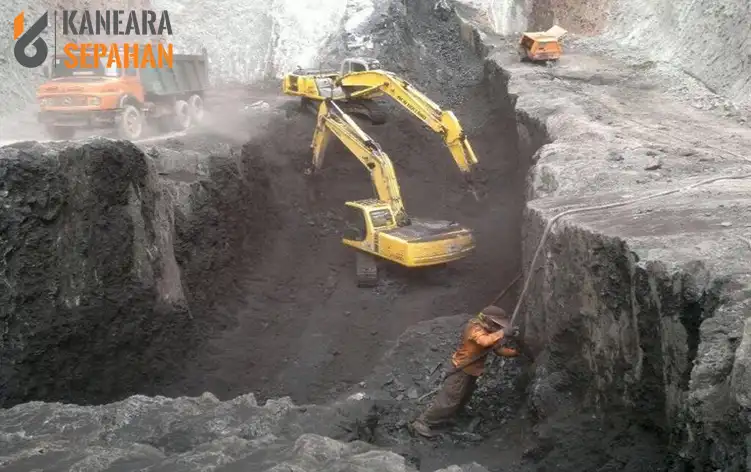
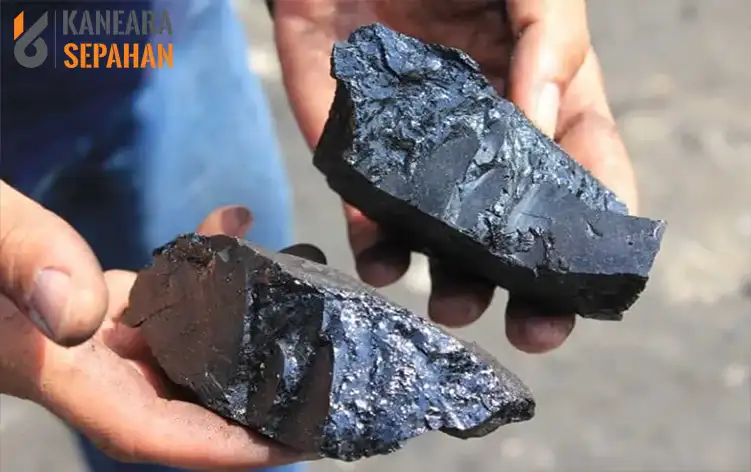
The effectiveness of Gilsonite in drilling fluid stems from three core characteristics:
1. Natural Thermoplastic Behavior: Gilsonite softens at elevated downhole temperatures. This allows it to flow into formation pores, micro-fractures, and voids, creating a flexible, impermeable seal.
2. High Asphaltic Structure: Its inherent carbon-rich structure provides strong plugging capacity without harming permeability in production zones.
3. Chemical Compatibility: Gilsonite performs well in:
This makes it a versatile additive for global drilling operations.
1. Fluid Loss Control
Fluid loss remains a major problem in both shallow and deep wells. Gilsonite fluid loss control drilling muds significantly reduce filtrate invasion by forming a tight barrier on the wellbore wall. This reduces the differential sticking, Washout, and Excessive mud consumption.
The thermoplastic nature of Gilsonite forms a resilient filter cake that retains its integrity even under extreme pressures.
2. Shale Stabilization
Water-sensitive shale formations often lead to wellbore collapse, sloughing, and tight whole conditions. Gilsonite shale stabilization drilling provides an effective solution by:
Its sealing action reduces water interaction with reactive shales, extending drilling efficiency and minimizing downtime.
3. Filtration Control in Water-Based Mud
Gilsonite is highly compatible with WBMs. Gilsonite filtration control water-based mud systems benefit from:
In WBMs, gilsonite prevents severe loss zones from expanding, protecting the integrity of the borehole and improving circulation.
4. Lost Circulation Prevention
When formations become fractured or depleted, drilling fluids can rapidly disappear into the formation. Gilsonite acts as a bridging agent that plugs fractures without requiring additional fiber-based materials. It can be used alone or in combination with Calcium carbonate, Graphite, and Cellulosic LCMs.
This multi-level plugging effect is one of the primary reasons global operators buy gilsonite for drilling as a critical loss-circulation solution.
The method of incorporating gilsonite varies depending on mud type and desired function.
1. Adding Gilsonite to Water-Based Mud
Add gilsonite directly into the mud hopper while maintaining constant agitation. Ideal for:
• Shale stabilization
• HTHP fluid loss reduction
Ensure proper dilution and maintain the desired particle size distribution.
2. Adding Gilsonite to Oil-Based Mud
For OBM, gilsonite should be added slowly to ensure full dispersion. It blends well with Diesel, Mineral oils, and Synthetic oils
The hydrophobic surface of gilsonite enhances OBM stability without negatively affecting emulsifiers.
3. Spotting and Squeeze Pills
In loss zones or unstable sections, gilsonite pills can be prepared at high concentrations for direct spotting. These pills can quickly seal problematic zones and restore circulation.
Gilsonite dosage depends on the drilling environment, mud type, and severity of formation reactivity.
1. Normal Drilling Conditions: 1% – 3% by weight of mud for routine shale inhibition and mild filtration control.
2. Reactive Shale Zones: 3% – 6% by weight to stabilize swelling or sloughing shales.
3. High Fluid Loss or Fractured Formations: 4% – 8% by weight for severe loss-circulation control.
Additional LCM may be used depending on fracture width.
4. Squeeze Pills: 10% – 15% concentration for targeted sealing operations.
Note: Particle size selection (fine, medium, coarse) should match formation permeability. Engineers often blend multiple sizes for superior plugging.
Case 1: Improved Shale Stability in Water-Sensitive Formations
A Middle Eastern drilling contractor reported a 40% reduction in shale sloughing after adding 4% gilsonite to water-based mud. The wellbore remained stable during directional drilling, accelerating completion time.
Case 2: Reduced Fluid Loss in High-Temperature Wells
In a 3,800-meter well with high HTHP conditions, gilsonite improved the filter cake structure, resulting in:
• 25% lower fluid loss
• Fewer mud system treatments
• More consistent drilling rates
The thermoplastic sealing effect provided reliable control at elevated temperatures.
Case 3: Excellent Performance in Loss Circulation Zones
An offshore operator faced severe losses when drilling through naturally fractured carbonate formations. A high-concentration gilsonite pill was spotted, achieving:
• Instantly reduced losses from 120 L/min to less than 10 L/min
• Successful continuation of drilling without costly sidetracks
The operator concluded that gilsonite was the most economical and effective solution available.
Beyond performance in the well, Gilsonite offers several operational advantages:
• Cost-effective alternative to synthetic additives
• Easy storage, transport, and handling
• Environmentally friendly and non-toxic
• Compatible with multiple drilling fluid systems
• Stable supply from proven mining regions
These features make it a practical choice for companies evaluating long-term purchasing strategies.
From an economic standpoint, the return on investment is substantial. Using Gilsonite reduces:
Procurement teams looking to Gilsonite for drilling often prioritize suppliers who can offer:
Partnering with a reliable producer ensures the mud program performs as expected, even in demanding environments.