
Bentonite clay is one of those materials that seems simple on the surface—but behind every high-quality bentonite product lies a carefully controlled manufacturing process.
From oil refining and drilling fluids to cat litter and construction materials, bentonite’s performance depends almost entirely on how it is processed.
So, how is bentonite clay made? What actually happens between raw clay extraction and the final granular or powdered product used in industry?
This guide breaks down the bentonite clay manufacturing process step by step, explaining drying, grinding, and granulating in clear, practical terms.
Whether you’re a buyer, engineer, bentonite supplier, or simply curious about industrial minerals, this article will help you understand how bentonite clay is produced—and why processing quality matters so much.
Bentonite is a naturally occurring clay primarily composed of montmorillonite, a mineral known for its exceptional absorption, swelling, and binding properties.
These properties are not automatically usable when bentonite is mined. In its raw form, bentonite contains excess moisture, irregular particle sizes, and variable purity.
This is why bentonite processing is essential. The preparation of bentonite transforms raw clay into a stable, functional material with predictable performance. Proper processing determines:
In short, the bentonite clay production process defines the final product’s value.
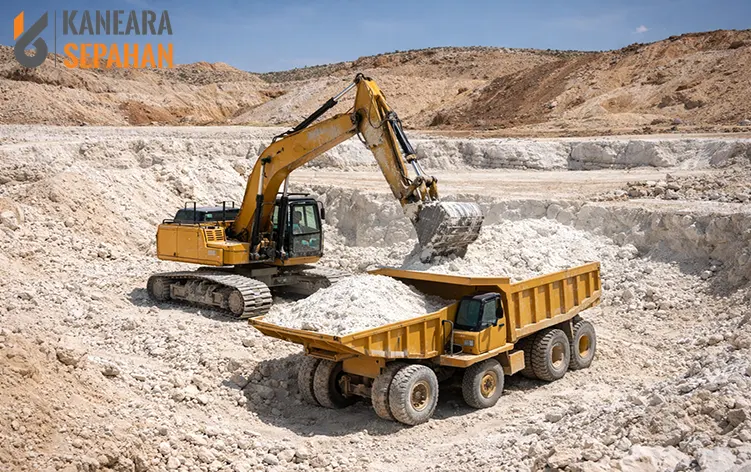
Before any manufacturing begins, bentonite is extracted from open-pit mines. The clay is usually found in layers and is removed using excavators or loaders.
At this stage:
Raw bentonite is not yet suitable for industrial use. It must first undergo controlled preparation to unlock its functional properties.
The preparation of bentonite begins immediately after mining. This stage ensures that the clay enters the manufacturing line in a consistent and manageable form.
Key preparation steps include:
This step is often overlooked, but it plays a critical role in stabilizing the material before drying. Uneven preparation leads to inefficient drying and inconsistent final quality.
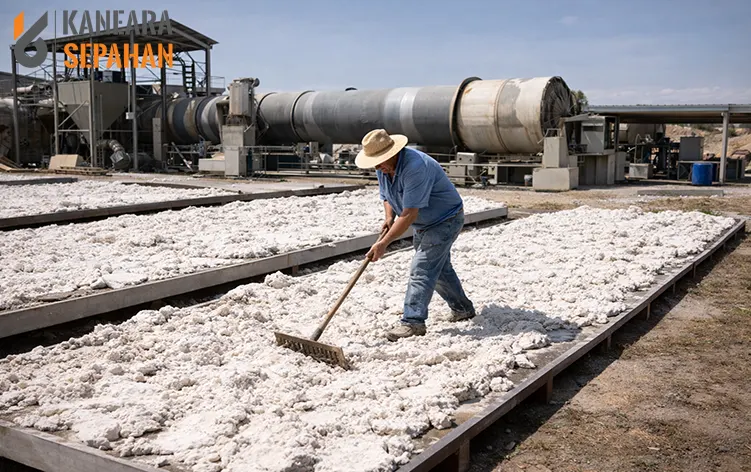
Drying is one of the most important stages in the bentonite clay manufacturing process.
Why Drying Is Essential
Raw bentonite can contain 25–40% moisture. For most applications, moisture must be reduced to controlled levels (usually below 12%).
Proper drying:
Common Drying Methods
In the bentonite clay production process, industrial dryers are used, such as:
Temperature and residence time must be carefully controlled. Over-drying can reduce swelling performance, while under-drying causes handling problems.
Drying is not just about removing water—it’s about preserving clay functionality.
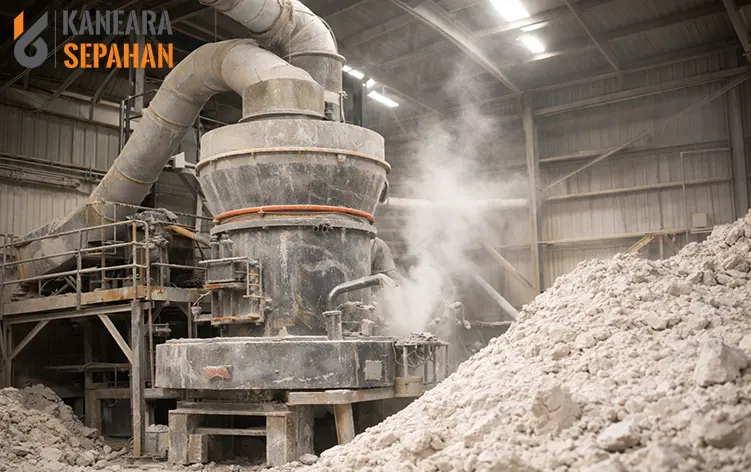
Once dried, bentonite enters the grinding phase. This step defines how the clay behaves in real-world applications.
Purpose of Grinding in Bentonite Processing
Grinding serves to:
Different applications require different fineness levels. For example:
Grinding Equipment Used
The manufacturing process of bentonite clay typically uses:
Precision matters here. Inconsistent grinding leads to poor performance, dusting issues, or uneven absorption.
Granulation is a critical step for applications that require uniform particle shape and size, such as cat litter or industrial absorbents.
Powdered bentonite is not always practical. Granulating bentonite:
How Bentonite Granulation Works
In this stage, ground bentonite is:
Granule size can be adjusted depending on end use. This flexibility is why granulation is a defining step in the bentonite clay manufacturing process.
After grinding or granulating, bentonite must be classified.
Screening ensures:
This step directly affects customer satisfaction, especially in bulk industrial supply.
High-quality bentonite clay production is impossible without rigorous testing.
Common tests include:
These tests confirm that the bentonite processing meets the required standards for its intended application.
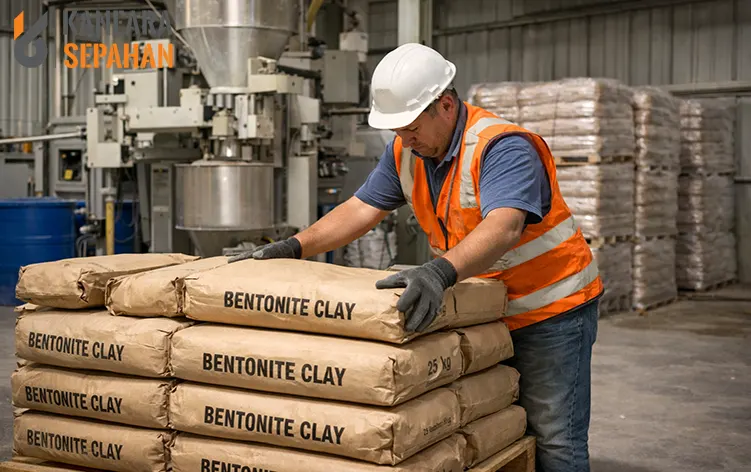
The final step in how bentonite clay is made involves packaging and storage.
Depending on the product form, bentonite may be packed in:
Proper storage prevents moisture reabsorption and preserves product quality during transportation.
Two bentonite products can originate from the same mine but perform very differently. The difference lies in:
The bentonite clay manufacturing process is not just mechanical—it’s technical and experience-driven.