Application of Calcium Carbonate in Paints & Coatings | Enhanced Coverage & Cost Reduction
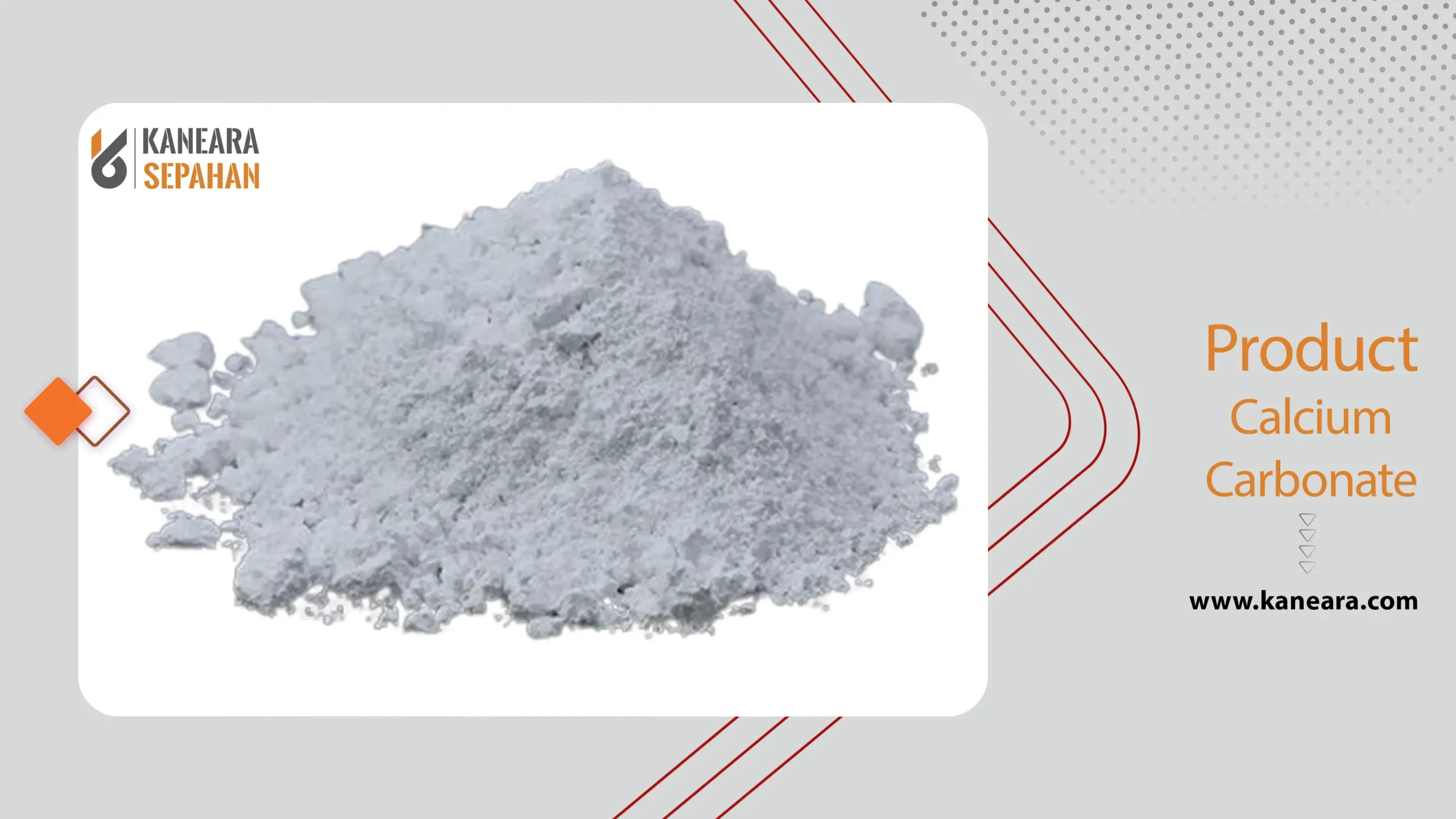
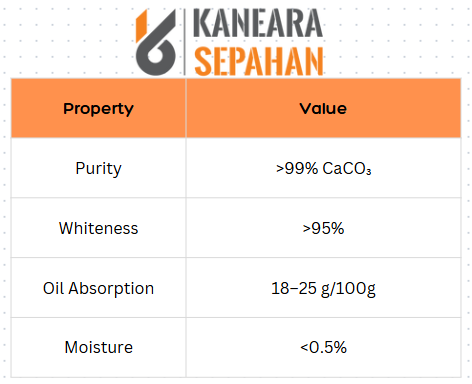
Calcium carbonate is one of the most commonly used fillers in the paint and resin industry. With its high whiteness, controlled particle size, low oil absorption, and competitive price, this mineral plays a vital role in improving the final properties of paints.
Benefits:
Enhances paint coverage and opacity
Increases surface brightness and gloss
Reduces consumption of expensive pigments
Stabilizes viscosity
Lowers the overall formulation cost
Using calcium carbonate with the appropriate mesh size—especially in wall paints, industrial coatings, traffic paints, and powder resins—leads to better product quality and lower production costs.
Calcium Carbonate in Masterbatch & Plastics | Cost-Effective Filler with High Performance
In the polymer and plastic industry, calcium carbonate is widely used as a primary filler in masterbatch, compounds, pipes, sheets, and injection-molded parts. It not only reduces total production costs but also improves mechanical strength, rigidity, and moldability of products.
Benefits:
Reduces base polymer consumption
Improves tensile strength and stiffness
Enhances melt flow and processability
More economical than pure polymers
Choosing the right grade and mesh size of calcium carbonate for each masterbatch or plastic application significantly boosts production efficiency and product quality.
Calcium Carbonate in Animal Feed | Highly Absorbable Calcium Source
Calcium is essential for bone growth, egg production, and overall physiological performance in livestock and poultry. Calcium carbonate is one of the most cost-effective and bioavailable calcium sources used in feeds for broilers, layers, and other animals.
Benefits:
High purity (>98%) with no heavy metal contamination
Particle sizes tailored for animal type (fine for chicks, coarse for adults)
High absorption in the digestive tract
Economical compared to other calcium sources
Supplying high-quality calcium carbonate is crucial for improving productivity in livestock and poultry farms. Feed-grade calcium carbonate is an efficient calcium source that supports growth and health.
Calcium Carbonate in Paper Production | Economical Alternative to Cellulose
Calcium carbonate is used in paper manufacturing as a filler to partially replace cellulose fibers. This mineral helps reduce pulp consumption while improving brightness, opacity, and surface strength of paper.
Benefits:
Increases brightness and whiteness
Reduces cellulose usage
Compatible with offset and digital printing
Lowers overall production costs
The use of calcium carbonate in the paper industry offers both economic and qualitative advantages, such as better printability and reduced raw material cost.
Calcium Carbonate in White Cement & Bricks | Improved Whiteness & Durability
In the production of white bricks, mortar, and cement, high-whiteness calcium carbonate is used as an effective filler. It enhances the final color of the product, controls thermal expansion, reduces cracking, and increases durability.
Benefits:
Excellent whiteness and surface uniformity
Resistance to thermal shock
Reduces formulation cost
Improves workability of bricks and mortar
Using the right mesh size and purity level of calcium carbonate improves final product quality and overall production efficiency in the construction materials industry.
Calcium Carbonate in Detergents | Cost-Effective Filler with Technical Advantages
In powder detergents and industrial soaps, calcium carbonate serves as an active filler. It stabilizes powder structure, accelerates drying, reduces stickiness, and improves texture.
Benefits:
Lowers detergent production costs
Compatible with surfactants
Safe for fabric integrity
Uniform structure and excellent absorption
The use of calcium carbonate in detergent formulations provides a balanced combination of technical performance and economic efficiency.