

Natural asphalt has many unique physical properties that make it ideal for various applications. It has a high melting point of around 500 degrees Fahrenheit.
As a result, it is suitable for use in high-temperature applications. Additionally, it is very hard and brittle and can be easily ground into a fine powder.
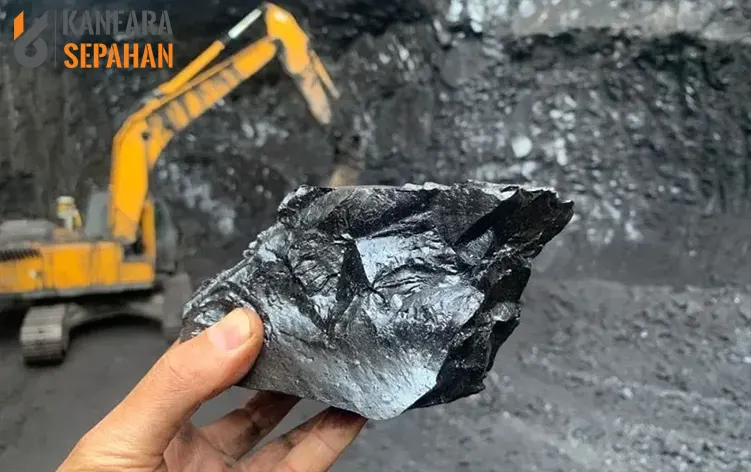
In appearance, gilsonite is solid, brittle, lustrous, and has a high shine. Its ore is black, and its powder is brown. It is also similar to coal, fossil fuels, tar, and petroleum products.
The difference is that Gilsonite is softer than coal and smolders before it burns. It is also harder than tar and, due to its polar molecules, exhibits dispersing properties. For this reason, this material has applications in various industries.
The chemical composition of gilsonite includes carbon, hydrogen, and oxygen. It also contains small amounts of sulfur and nitrogen. These chemical compounds give this mineral asphalt unique properties.
For example, the high carbon content in gilsonite allows it to serve as an excellent precursor for carbon black and activated carbon.
As mentioned, mineral pitch has numerous applications in various industries due to its unique properties. In fact, it can be used across a wide range of sectors, including paints, construction materials, asphalt production, road paving, foundry work, chemicals, drilling mud and cement, waxes, black inks, and rubber. Below are its main industrial applications:
Mineral asphalt is widely used in the road construction industry as a binder in asphalt. This mineral enhances asphalt durability and strength, increasing its resistance to weathering, abrasion, cracking, and rutting. Additionally, it can be used in pavement sealants, traffic-marking paints, and joint fillers.
Mineral pitch is used in the ink and paint industry as a black pigment that enhances viscosity control and optimizes drying time. It can also be used as an adhesive in inks and lacquers.
Natural bitumen also produces black and brown pigments used in manufacturing printer inks.
Additionally, Iranian gilsonite resin is widely used as a carbon-rich additive for producing deep-black and high-viscosity inks.
A specific grade of gilsonite is also employed in manufacturing asphaltic black coatings and finishing oils.
It is further utilized in exterior protective coatings, acid-resistant finishes, automotive chassis coatings, and metal structure protection.
Mineral pitch is used in inks, adhesives, and the printing industry as a natural resinous binder that enhances adhesion, viscosity control, and overall color performance in inks and adhesives.
It also functions as a pigment dispersant and a viscosity modifier.
In the polymer and plastics sector, gilsonite serves as a natural additive that enhances polymer strength, durability, and resistance to UV radiation and chemical exposure.
It is commonly incorporated into polyethylene, polypropylene, and PVC formulations.
One of the properties of this mineral is that it is water-repellent and resistant to acids and bases, which significantly improves the performance of roofing membranes and asphalt products.
Additionally, thanks to its polymer-like hydrocarbon structure, gilsonite is an effective modifier for refinery bitumen, particularly in asphalt and roofing-felt production.
It is incorporated into drilling fluids and cementing slurries for oil-well operations.
It also acts as a lightweight additive that reduces slurry density.
Gilsonite’s stable structure helps reinforce shale formations, preventing collapse and maintaining wellbore stability.
helps produce smoother, more uniform molds and thereby reduces surface defects.
When blended with coal tar, it acts as a high-performance binder that improves casting quality.
It also promotes easier mold release during the casting process.
Gilsonite offers multiple advantages across industries:
Gilsonite is graded primarily by softening point and particle size. Lower softening point grades (formerly called Selects) dissolve more easily and are suited to paints and varnishes. Higher softening point grades (formerly Fines) offer greater thermal stability and are used in asphalt modifiers and drilling applications.
Manufacturers also supply powdered, granular, pelletised, and blended forms to suit different processing requirements. Always consult technical data sheets and supplier recommendations to match the grade to your application.
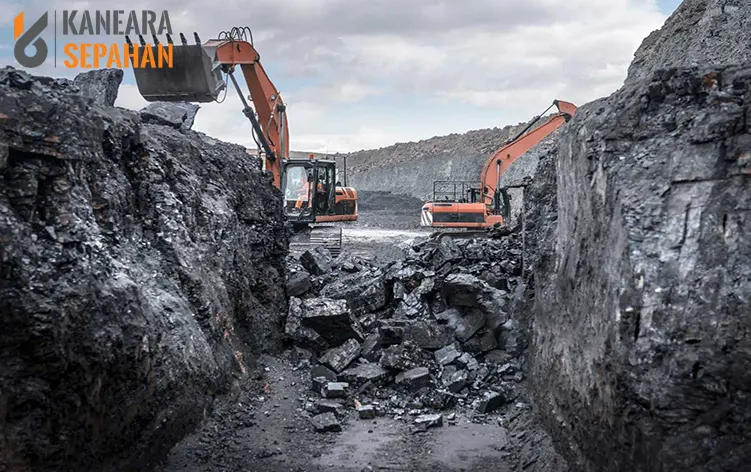
Natural asphalt is typically extracted from mines using underground and open-pit extraction techniques and is then processed to remove impurities for commercial use.
The most common extraction method is underground mining, which requires cutting vertical shafts and horizontal tunnels deep into the earth to reach the ore seams.