
Kane Ara supplies industrial-grade Triethylene Glycol for natural gas processing, chemical production, resin manufacturing, heat-transfer systems and industrial formulations.
Our commercial team helps international buyers select the appropriate TEG specification based on the intended application, required quality parameters, order volume and destination.
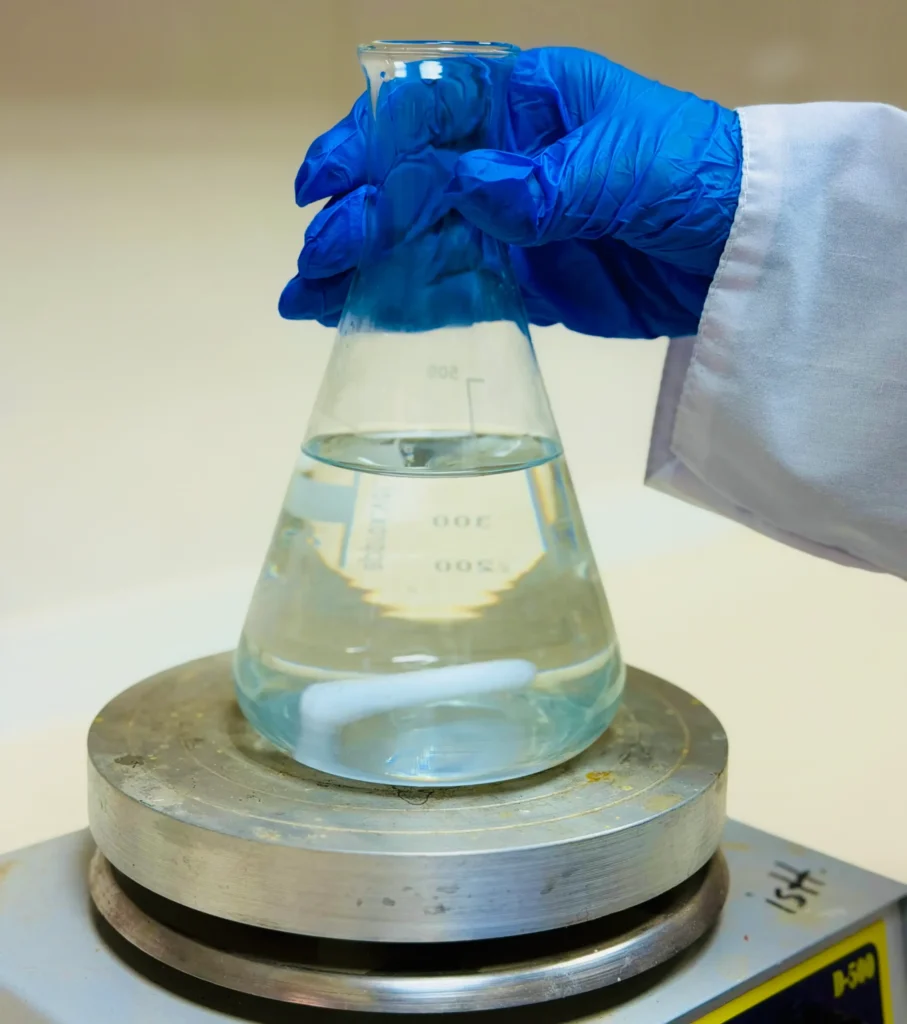
Exact purity, water content, colour, acidity and impurity limits are confirmed through the current product specification and batch Certificate of Analysis.

C₆H₁₄O₄
Clear and colourless
Industrial B2B applications
112-27-6
Triethylene Glycol, commonly known as TEG, is a clear, colourless and hygroscopic liquid with low volatility and a relatively high boiling point.
Its strong affinity for water makes it particularly important in natural gas dehydration systems. TEG is also used as an industrial solvent, chemical intermediate and formulation component in several manufacturing industries.
Because industrial applications have different quality requirements, the selected grade should always be evaluated against the buyer’s technical specification before purchase.
Kane Ara helps industrial customers select products according to specific technical requirements, rather than simply offering a one-size-fits-all brand.
Our export department specialists speak English and Russian and provide support at every stage: from analyzing technical documentation and preparing commercial proposals to organizing shipments and order tracking for customers in Russia, the CIS, and other regions.
The following factors influence the price of TEG (triethylene glycol):
Depending on the product and shipment, buyers may request:
Sample availability can be discussed before a bulk order. Available packaging and transport options are confirmed according to the quantity, destination and current supply conditions.
TEG can be used as a raw material or formulation component in the production of polyester resins, plasticizers and related organic derivatives.
Its solvency, low volatility and compatibility with water make TEG suitable for selected printing inks, dyes, pigments, pastes and industrial cleaning formulations.
TEG is used in industrial heat-transfer and coolant fluids due to its high boiling point and low volatility.
TEG is also used in selected lubricant, emulsifier, cement grinding-aid and chemical synthesis applications.
TEG is widely used to remove water from natural gas, controlling water dew point and preventing operational problems in gas processing and transportation.
The above information identifies the product and should not be treated as a final sales specification. Contractual parameters are stated in the approved quotation, TDS and batch COA.
| Item | Information |
| Product name | Triethylene Glycol |
| Abbreviation | TEG |
| CAS number | 112-27-6 |
| Chemical formula | C₆H₁₄O₄ |
| Physical form | Liquid |
| Typical appearance | Clear and colourless |
| Available quality | Industrial and technical grades |
| Purity | According to selected grade and batch COA |
| Key characteristics | Hygroscopic, water-miscible and low volatility |
| Intended market | Industrial B2B applications |
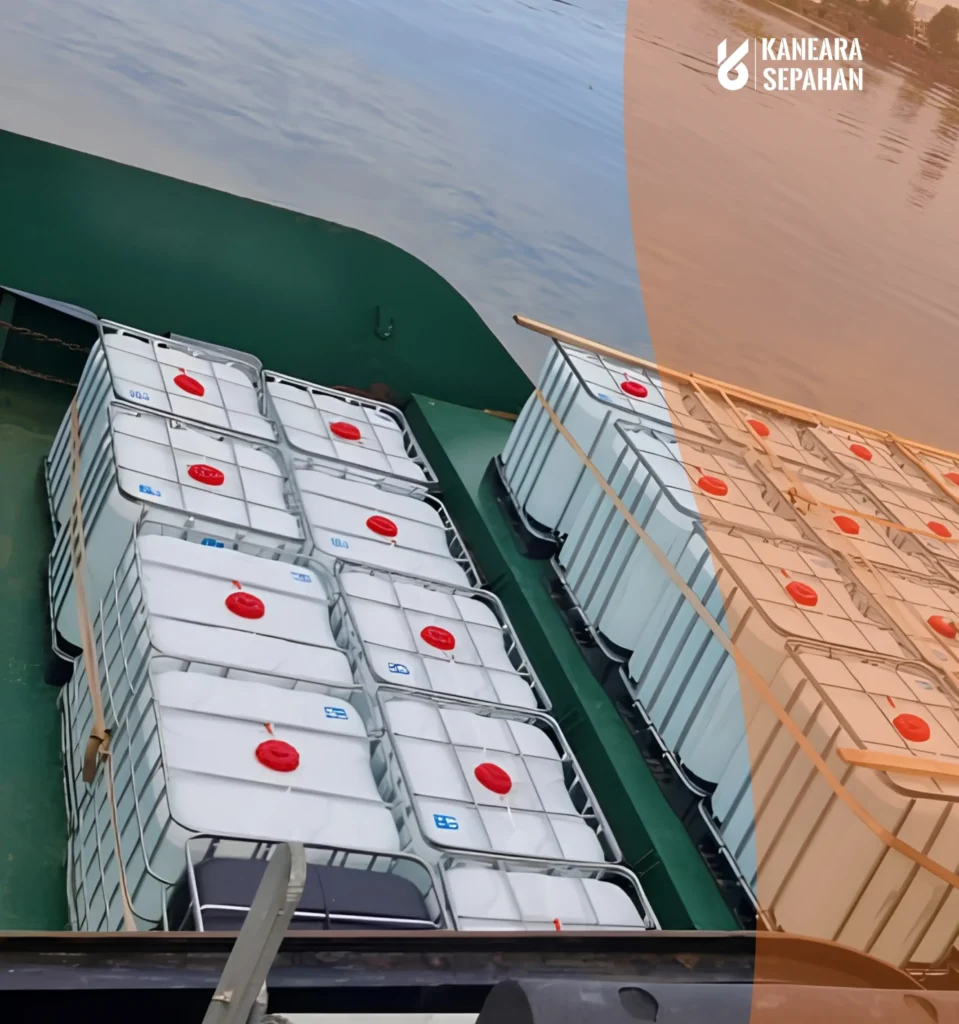
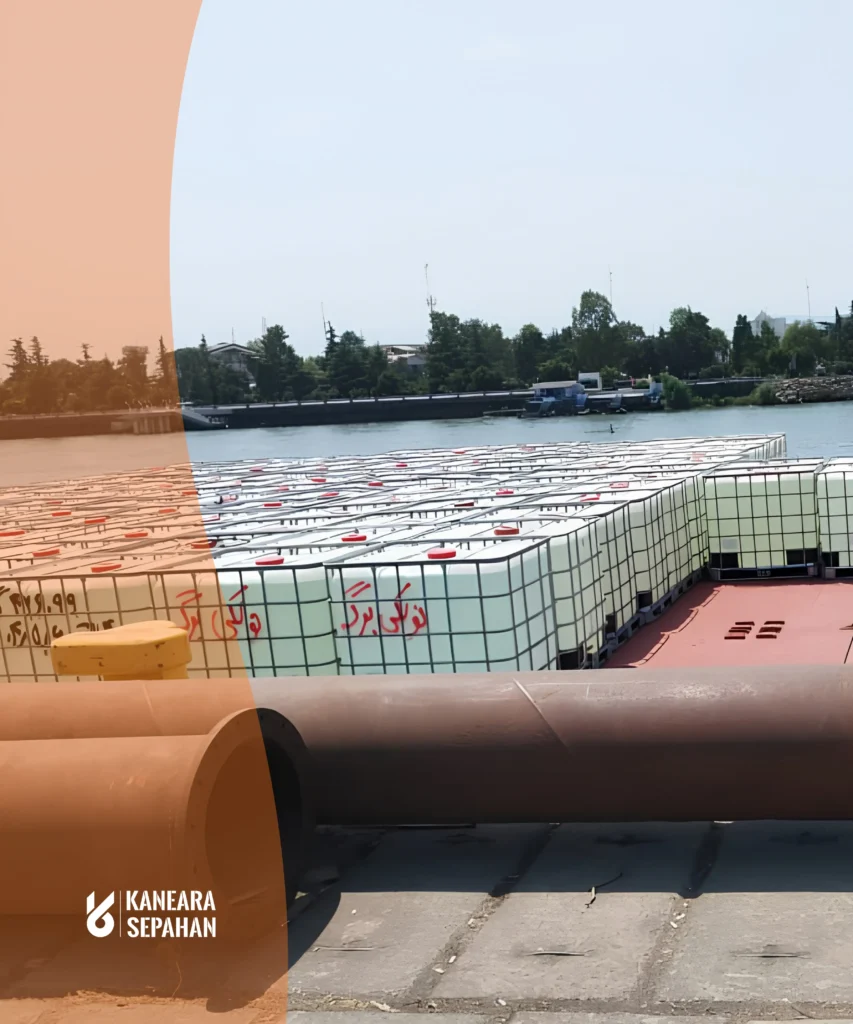
As an TEG supplier with its own stockpiles and processing facilities in Iran, Kaneh Ara Sepahan Company controls the entire supply chain—from laboratory testing to export—enabling buyers to purchase MEG in bulk, delivered in IBCs or drums.
The price of Triethylene Glycol varies depending on the order quantity and volume; therefore, we work directly with each buyer to provide a quote based on precise specifications and the chosen shipping method (road, rail, or air).
Everything you need to know about sourcing TEG from Kane Ara Sepahan.
Not necessarily. Gas-dehydration systems may require specific limits for purity, water, acidity, colour and other glycols. Send us your required specification so the appropriate grade can be evaluated.
A representative specification or available batch COA can be requested during the quotation process. The final shipment should be accepted against the contractual specification and applicable batch documentation.
Unless clearly stated in the quotation, the product must be considered industrial grade. It should not be assumed suitable for pharmaceutical, food or other regulated applications.