
Asphalt and road construction projects require carefully selected materials to achieve the required performance, durability, and resistance under different traffic and environmental conditions. Alongside asphalt binder and aggregates, mineral and hydrocarbon-based additives can be used to modify specific properties of asphalt mixtures and binders.
For buyers, asphalt producers, pavement contractors, and road construction companies, the right material depends on factors such as pavement requirements, climate, traffic loading, binder characteristics, mix design, and the intended production process.
One of the materials used in asphalt applications is Gilsonite, a naturally occurring hydrocarbon that can be used as an asphalt binder and mixture modifier. Research has shown that Gilsonite can influence important asphalt properties, particularly high-temperature performance, stiffness, stability, and resistance to permanent deformation, although the result depends on the formulation, dosage, binder, aggregate, and testing conditions.
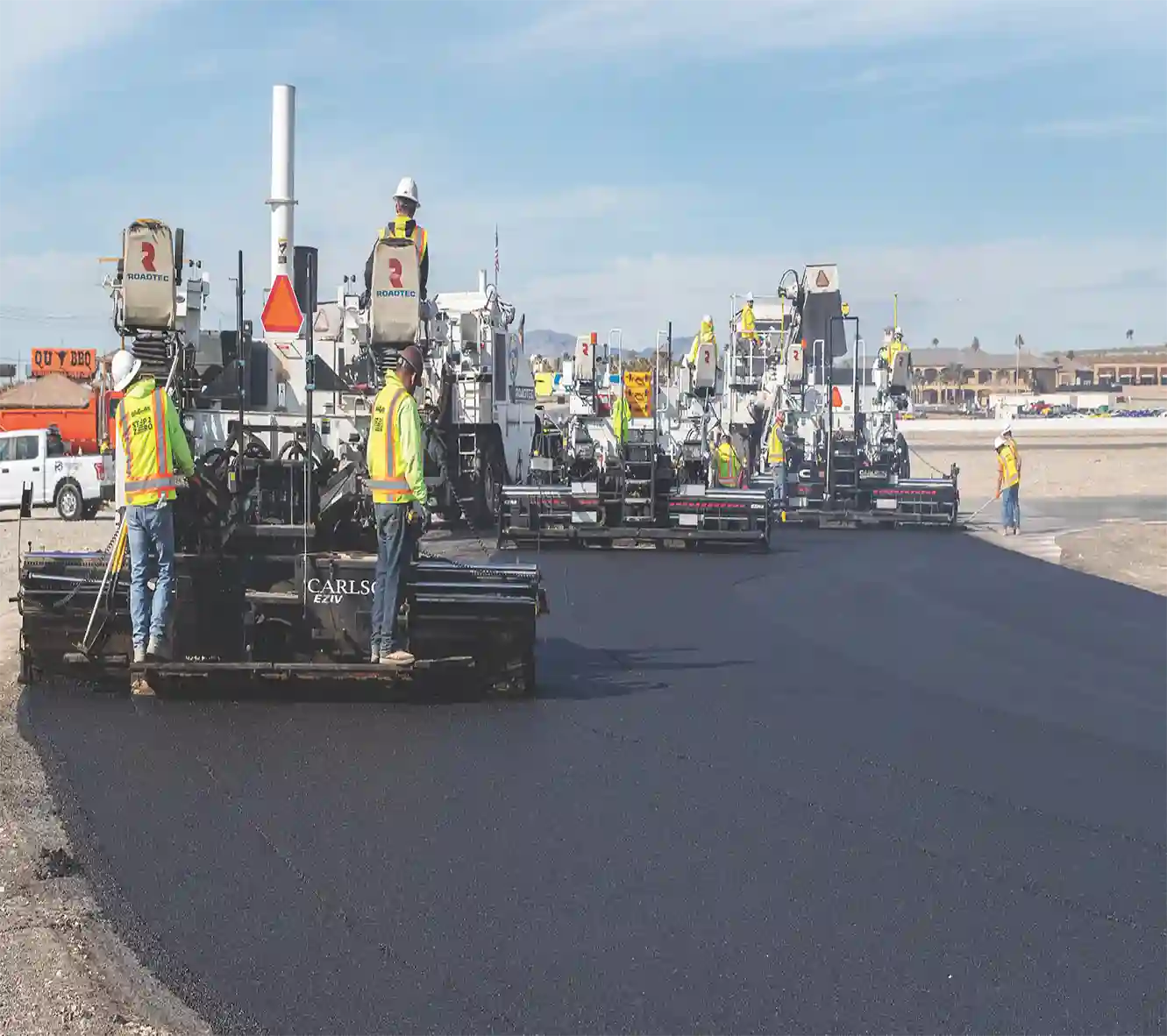
A typical asphalt pavement system relies on several material groups, each serving a different function.
Road surfaces are exposed to repeated traffic loads, temperature changes, moisture, and other environmental stresses. Over time, these conditions can affect asphalt performance and contribute to pavement distress.
For asphalt producers and road construction companies, material selection is therefore closely connected to the performance problem that needs to be addressed.
Rutting is a form of permanent pavement deformation that can develop when asphalt mixtures undergo repeated loading, particularly at elevated temperatures.
Binder stiffness, aggregate structure, mixture design, temperature, and traffic loading can all influence rutting resistance. In some formulations, asphalt modification is considered as one way to improve resistance to permanent deformation.
Gilsonite-modified asphalt mixtures have been studied for their potential to improve high-temperature stiffness and resistance to rutting under specific laboratory conditions.

Asphalt can become softer as temperatures increase. Under heavy or repeated traffic loading, excessive softening can increase the risk of deformation.
For projects exposed to high pavement temperatures, engineers may evaluate materials that can increase the high-temperature stiffness of the binder or mixture while maintaining the overall performance required by the pavement design.
Water can affect the interaction between asphalt binder and aggregate and may contribute to moisture-related deterioration.
Moisture resistance depends on several factors, including aggregate characteristics, binder properties, air voids, mixture design, and production quality.
Certain additives and modifiers have been investigated for their potential influence on moisture sensitivity, but their suitability needs to be established for the specific asphalt mixture.
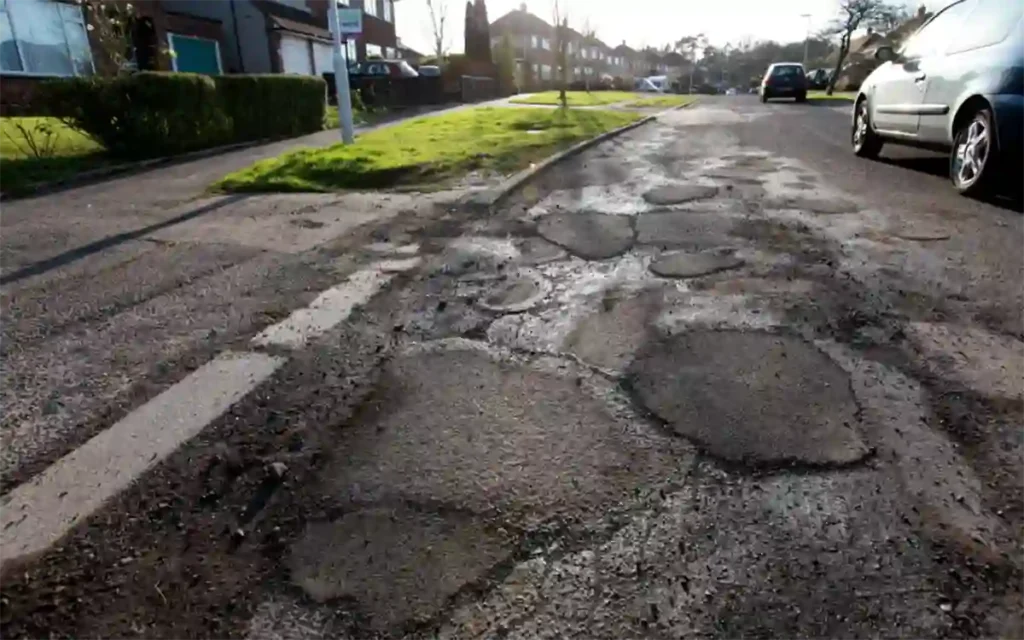
The balance between stiffness and flexibility is important in asphalt pavement design. A binder that is too soft at high temperatures may contribute to deformation, while excessive stiffness can create other performance challenges under different temperature conditions.
This is why asphalt modification should be evaluated as part of the complete binder and mixture design rather than treated as a standalone solution.
Roads carrying heavy vehicles and frequent traffic can experience higher cumulative stresses than lightly trafficked roads.
For highways, industrial access roads, and other heavily loaded pavements, engineers may place greater emphasis on rutting resistance, mixture stability, durability, and long-term performance.
Material selection should therefore consider the expected traffic conditions together with climate, binder grade, aggregate properties, and pavement design.

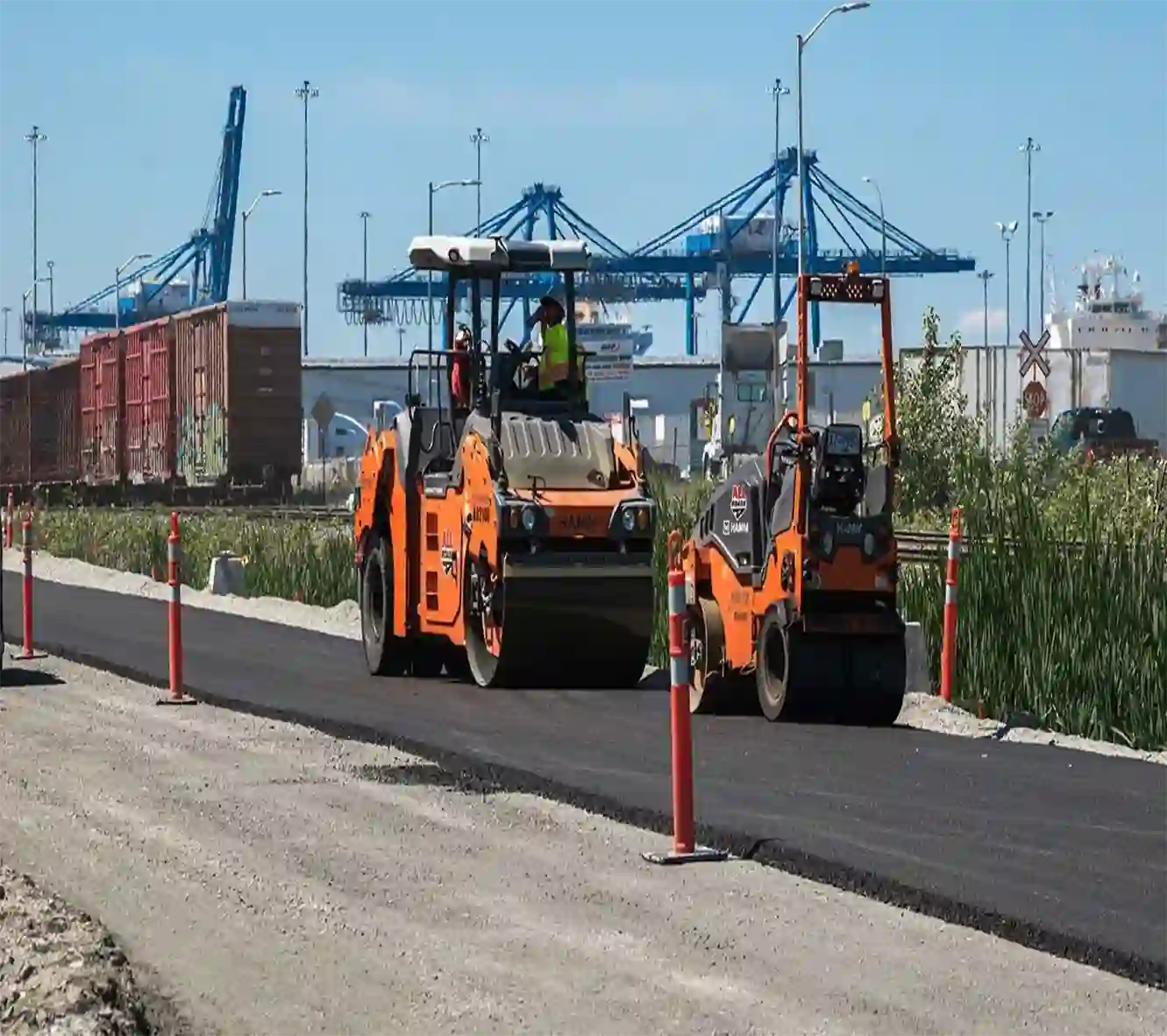
Gilsonite is a naturally occurring solid hydrocarbon also known as natural asphalt or natural bitumen. In asphalt applications, it can be used as a modifier for asphalt binders or asphalt mixtures.
Its role is different from that of the base asphalt binder. Instead of serving simply as the primary binder, Gilsonite can be incorporated into an asphalt system to adjust selected performance characteristics.
Laboratory research on Gilsonite-modified asphalt has reported improvements in high-temperature binder performance and several mixture properties, including stability and resistance to permanent deformation.
At the same time, the effect is not identical for every formulation, and some studies indicate that increasing stiffness may affect low-temperature flexibility. For this reason, the appropriate formulation should be established through laboratory evaluation rather than assuming that one dosage is suitable for every project.

Do you need high-quality raw materials to improve asphalt performance?
Contact Kaneara’s experienced team for expert consultation.
Asphalt road construction typically involves aggregates, bitumen, and, depending on project requirements, additives or modifiers. The selection and proportion of each material depend on traffic loads, climate, pavement design, and applicable engineering specifications.
Asphalt pavement durability depends on proper mix design, suitable binder selection, aggregate quality, effective drainage, and correct compaction. Performance-enhancing additives may also be considered when laboratory testing confirms their suitability for the project’s conditions.
Rutting is a permanent deformation that develops in asphalt pavement, often under repeated traffic loads and high temperatures. Binder properties, aggregate structure, asphalt mix design, and compaction quality all influence the pavement’s resistance to rutting.
High temperatures can soften asphalt binders and increase the risk of deformation, while low temperatures can make pavement more susceptible to thermal cracking. Selecting suitable materials and designing the asphalt mix for local climate conditions help address these challenges.
Asphalt road service life can be supported through proper pavement design, quality construction, effective water drainage, routine inspections, and timely maintenance. Addressing surface deterioration early can help prevent minor defects from developing into more extensive pavement damage.