
The pet care industry encompasses the products and services that support animals’ nutrition, health, hygiene, comfort, and everyday needs. It includes pet food manufacturers, veterinary and healthcare providers, hygiene product producers, accessory brands, retailers, and distributors.
Behind these consumer-facing businesses is a supply chain connecting raw material suppliers, component manufacturers, finished-product producers, packaging providers, and distribution partners. For businesses operating in this market, reliable sourcing, consistent material quality, and clear technical specifications are important considerations when selecting manufacturing partners.
For industrial suppliers, understanding the pet care value chain helps identify where specific raw materials fit, which manufacturers may require them, and what technical or logistical factors influence purchasing decisions.
Mineral materials have a role in selected pet hygiene applications, rather than across every segment of the pet care industry. Their suitability depends on the intended product, technical characteristics, manufacturing process, and required performance.
For manufacturers and distributors working with mineral-based hygiene products, bentonite cat litter is one relevant application to explore. The dedicated product page provides the product-specific information needed to evaluate supply options.
The wider principle is that material selection should begin with the end-use requirements. A mineral suitable for one industrial application is not automatically suitable for another, and technical suitability should be verified before production or commercial use.

The pet care market covers several interconnected segments. Each serves a different purpose and has its own manufacturing processes, material requirements, and quality considerations.
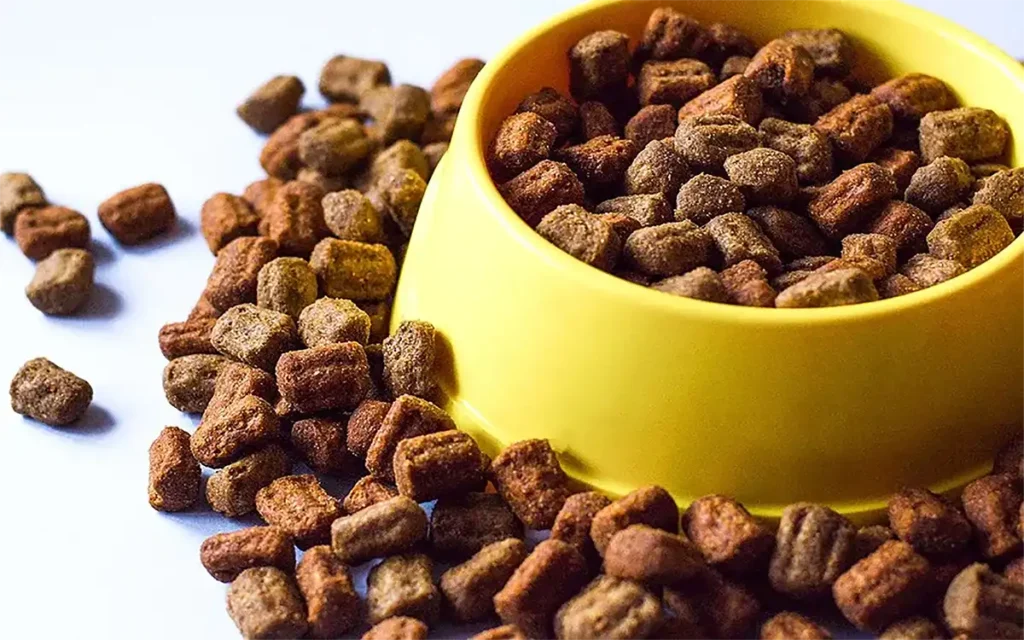
This segment includes complete pet food, treats, nutritional supplements, and specialized diets. Manufacturers evaluate ingredients based on their intended function, nutritional contribution, safety, consistency, and applicable food regulations.
Ingredient sourcing and production controls are particularly important because finished products must meet the nutritional and quality requirements of their intended animal populations.
Animal healthcare includes veterinary services, preventive care products, diagnostic solutions, and relevant medicines and equipment. Businesses in this segment operate under requirements that differ substantially from those governing ordinary consumer goods.
Product safety, appropriate documentation, and compliance with destination-market regulations are central to sourcing decisions.

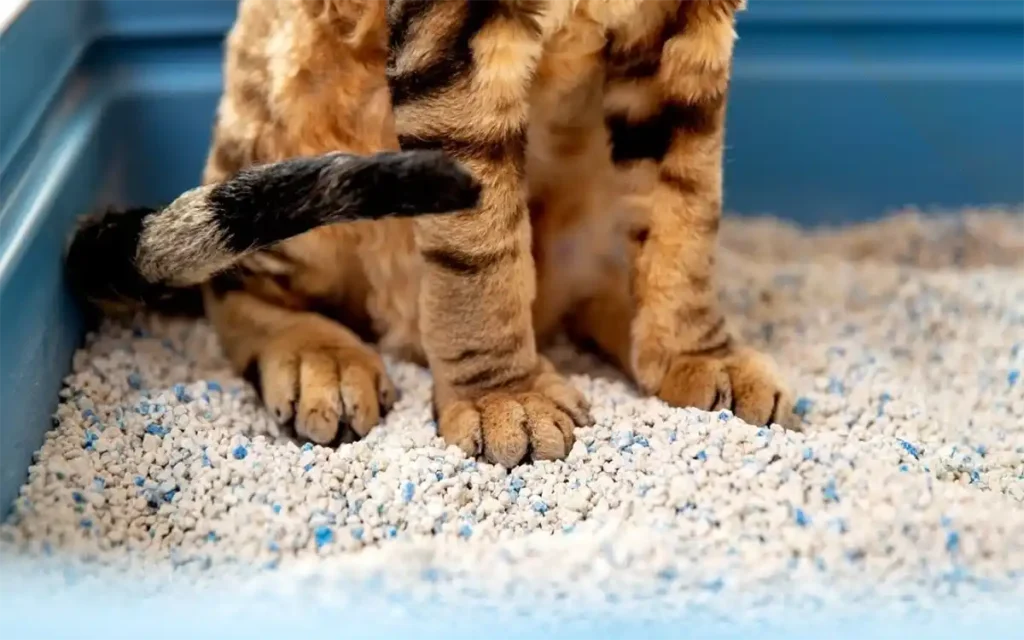
Pet hygiene covers products designed to support cleanliness, manage waste, and maintain hygienic living environments. It includes absorbent products, waste-management solutions, grooming-related hygiene products, and cleaning supplies.
Manufacturing requirements vary according to the intended use. Depending on the product, relevant factors may include absorbency, particle characteristics, handling performance, packaging, and consistency between production batches.
This segment includes grooming tools, beds, carriers, toys, feeding accessories, and other products intended to support everyday pet care.
Producers may source textiles, plastics, metals, packaging components, and other materials according to product design, durability, safety, and manufacturing requirements.

Retailers, wholesalers, importers, and private-label brands connect manufacturers with end customers. Some develop their own product ranges through contract manufacturing, while others distribute products from established brands.
For these businesses, supplier reliability, product specifications, lead times, packaging options, and dependable replenishment can influence purchasing and inventory decisions.

Speak with a bentonite specialist — call us to discuss your formulation needs.
Contact Kaneara’s experienced team for expert consultation.
The pet care industry includes pet food and nutrition, animal healthcare, hygiene and sanitation, grooming, accessories, and the retail and distribution businesses that supply these products and services.
The main participants include ingredient and raw material suppliers, component and packaging manufacturers, finished-product manufacturers, brand owners, contract manufacturers, importers, wholesalers, retailers, and logistics providers.
Material suitability and consistency can influence production reliability, finished-product performance, quality control, and supply continuity. Buyers should assess technical requirements, documentation, supplier capability, and logistics before selecting a source.
No. Mineral materials are relevant to selected applications, particularly within certain hygiene product categories. Their use depends on the formulation, manufacturing process, intended application, and applicable product requirements.
Buyers should confirm material specifications, relevant technical documentation, batch verification procedures, packaging compatibility, lead times, export arrangements, and any destination-specific requirements. Samples or additional technical checks may also be appropriate before a commercial order.