
Oil and gas drilling depends on carefully selected drilling systems, equipment, and materials to maintain wellbore stability, control formation pressure, remove drilled cuttings, and support efficient well construction.
Among the materials used in drilling operations, Drilling Fluids and their additives play an essential role. Commonly known as drilling mud, these fluids are formulated according to the well depth, formation characteristics, pressure, temperature, and drilling conditions.
Kaneara supplies selected mineral products used in oil and gas drilling, including drilling-grade bentonite and Gilsonite, for drilling contractors, distributors, and industrial buyers. Our focus is on consistent material quality, technical documentation, and reliable bulk supply for international projects.
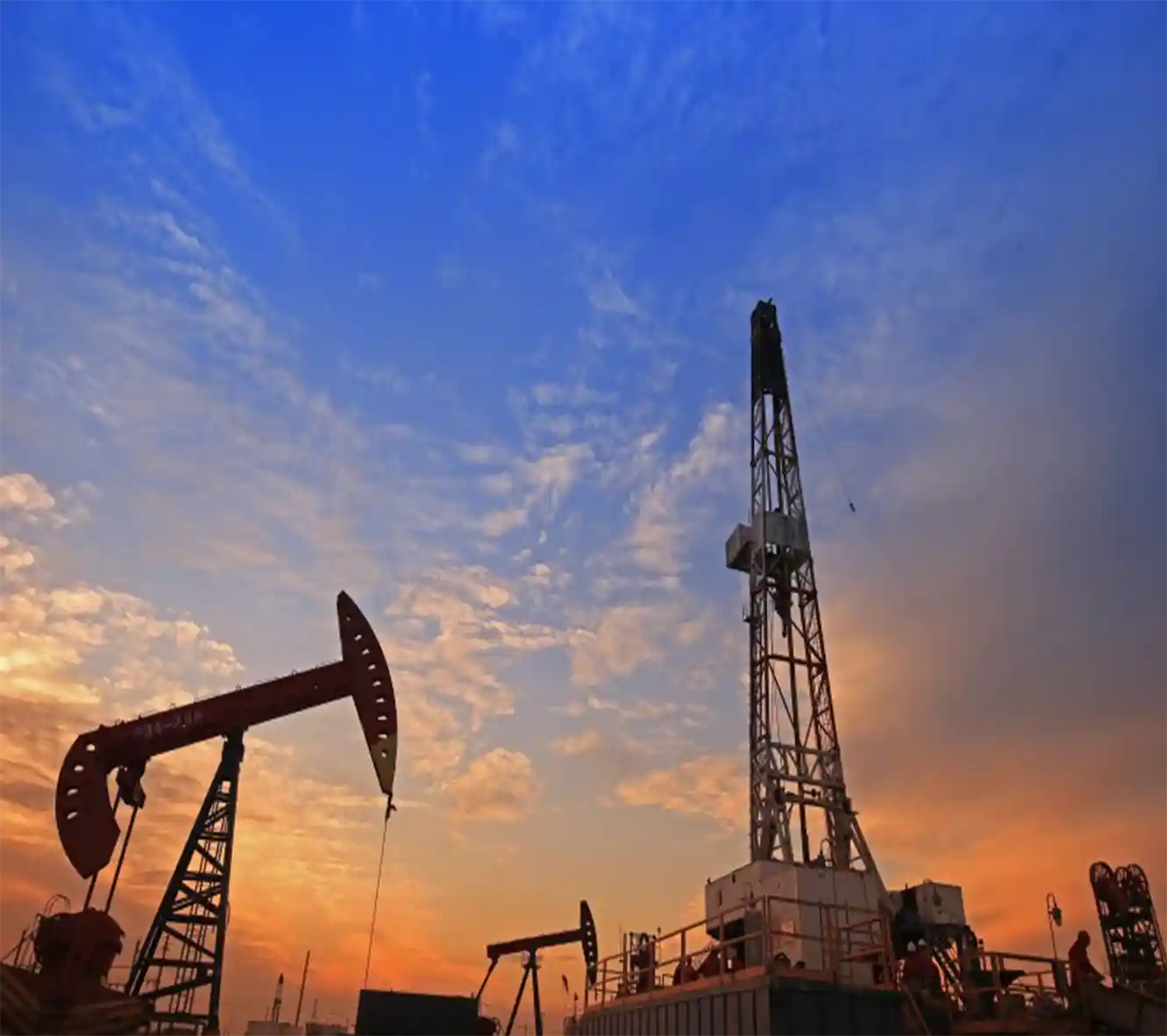

During the drilling of oil and gas wells, the drilling fluid is circulated through the drill string and back to the surface. As it moves through the wellbore, it performs several important functions. Drilling fluids help:
The exact formulation depends on the geological and operational conditions of each well. Water-based, oil-based, and synthetic-based systems may be selected for different drilling environments.
For this reason, materials used in oil well drilling are not selected simply by product name. Their properties need to match the requirements of the complete drilling fluid system and the formation being drilled.
A drilling fluid system can contain a combination of base fluids, weighting materials, viscosifiers, filtration-control additives, shale-control materials, lubricants, and other specialized additives.
The right combination depends on the drilling program rather than on a single material. For mineral-based drilling applications, two materials supplied by Kaneara are particularly relevant:
Bentonite is widely used as a clay-based component in drilling mud. Its ability to disperse in water and develop viscosity makes it useful for controlling the rheological behavior and suspension properties of water-based drilling fluids.
In oil and gas drilling, drilling bentonite can contribute to:
The performance of bentonite depends on its mineral characteristics, grade, water quality, treatment, and the overall drilling fluid formulation. Therefore, the appropriate grade should be selected according to the requirements of the drilling system rather than based on swelling capacity alone.
Gilsonite is a naturally occurring solid hydrocarbon material that can be used as an additive in certain drilling fluid systems.
In drilling applications, gilsonite is associated with functions such as filtration control, formation sealing, and improving the performance of drilling fluids in challenging formations. Commercial drilling-fluid systems also use gilsonite-based additives for filtration and related downhole requirements.
Its application is particularly relevant when the drilling program requires an additive that can work as part of a broader fluid-loss or wellbore-control strategy.
Because gilsonite is an additive rather than a complete drilling fluid by itself, its suitability depends on the fluid system, formation characteristics, temperature, and other operational parameters.
Although both bentonite and gilsonite can be used in drilling fluids, they serve different functions.
Bentonite is primarily associated with the viscosity, suspension, and filtration behavior of water-based drilling muds, while gilsonite can be selected as a specialized additive for applications such as filtration control and formation-related challenges.
This means they should not be considered interchangeable materials. In some drilling programs, different materials may work together as part of a properly engineered drilling fluid system.
The appropriate material depends on the specific objectives of the operation and the formulation designed by the drilling-fluid or well-construction team.
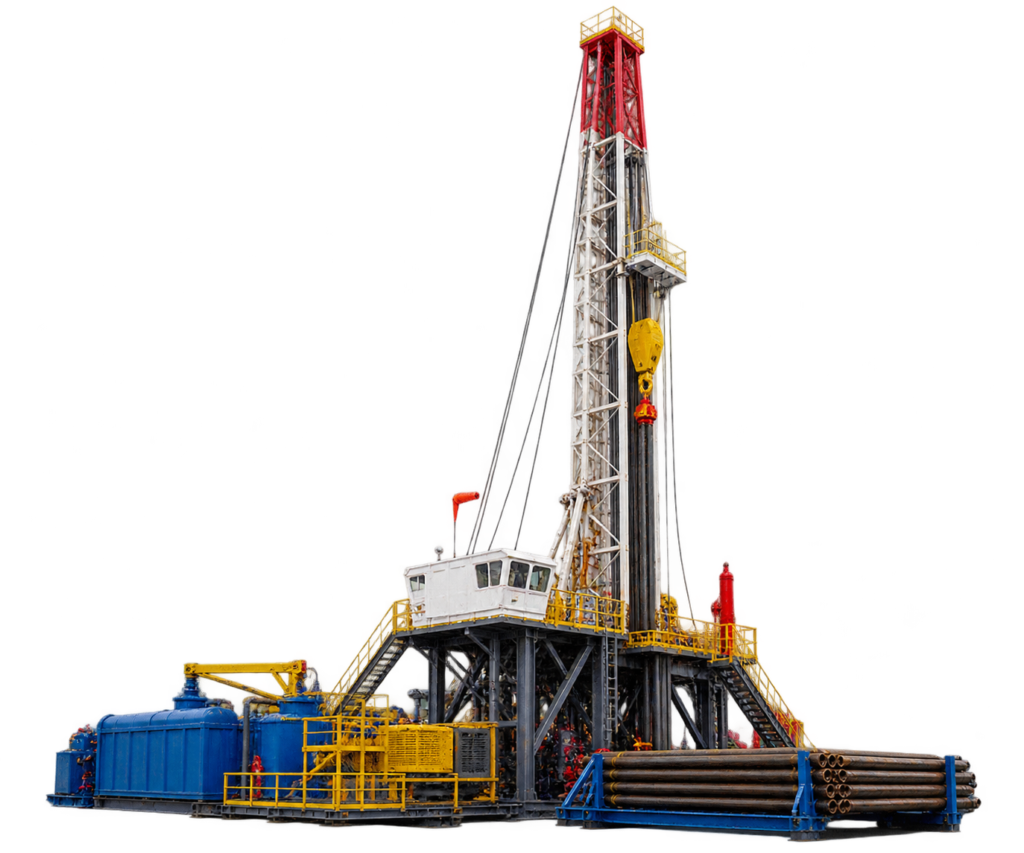
Do you need high quality raw materials to improve your drilling operations?
Contact Kaneara’s experienced team for expert consultation.
Drilling fluids are used to perform several functions during well construction, including carrying drilled cuttings to the surface, supporting wellbore stability, controlling formation pressure, cooling and lubricating the bit, and controlling fluid loss. They are commonly referred to as drilling mud.
In oil and gas operations, drilling mud is a common term used for drilling fluids. The formulation can vary significantly depending on whether the system is water-based, oil-based, or synthetic-based and on the requirements of the well.
Yes. Kaneara supplies drilling-related minerals to international B2B buyers, including drilling contractors, distributors, and companies involved in oil and gas well construction.
Yes. Bulk mineral supply and international shipping arrangements can be discussed according to the required product, quantity, packaging, destination, and delivery terms.
Contact Kane Ara to discuss your drilling fluid requirements, product specifications, bulk quantity, documentation, and international delivery options.