
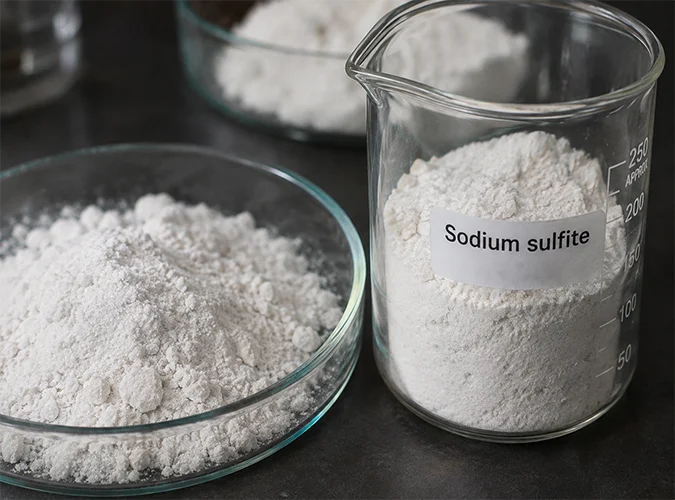
Sodium sulfite (Na₂SO₃) is an inorganic sodium salt of sulfurous acid used in several industrial and chemical processes. Also written as Na₂SO₃, this compound is commonly found in white powder, crystalline powder, or crystal form, depending on its grade and physical condition.
Understanding its chemical properties, available forms, and intended applications is important when evaluating sodium sulfite for an industrial process
It is water-soluble and is known for its reducing properties. These characteristics make sodium sulfite relevant to a range of industrial processes, including water treatment, paper manufacturing, and selected chemical processing applications.
Mined in Iran
With every shipment
Russia & CIS, Turkey, Europe, Middle East
Before bulk orders
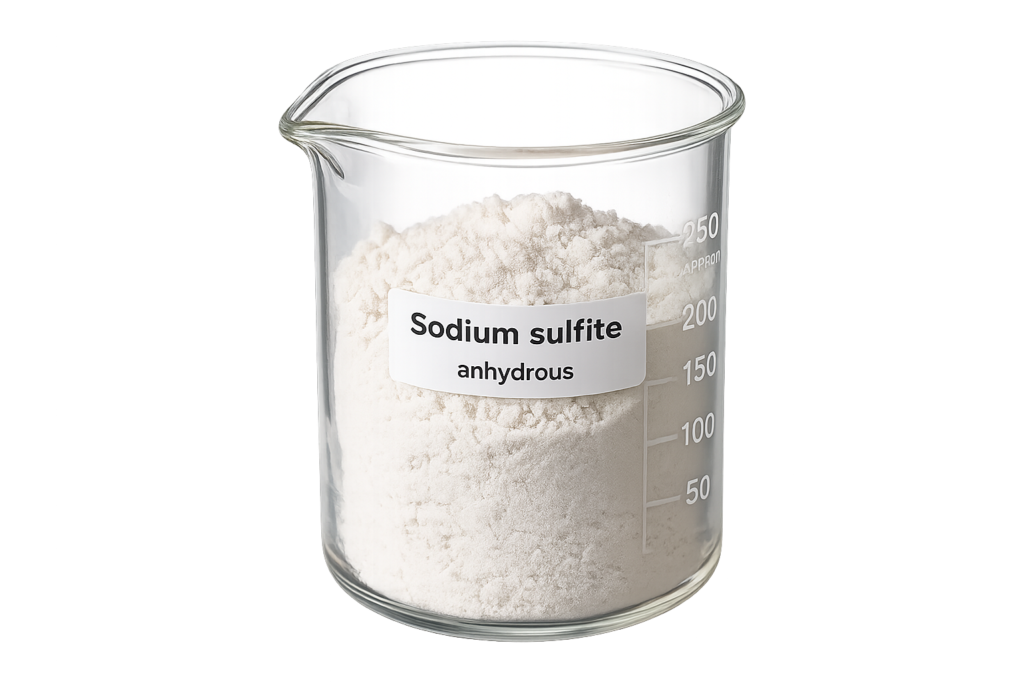
Sodium sulfite anhydrous is the form of sodium sulfite that does not contain water of crystallization. Its chemical formula is Na₂SO₃, and its approximate molar mass is 126.04 g/mol.
The anhydrous form is distinct from hydrated sodium sulfite, which contains water molecules in its crystal structure. This distinction matters when comparing product specifications, interpreting analytical results, and assessing whether a particular grade meets the requirements of an application.
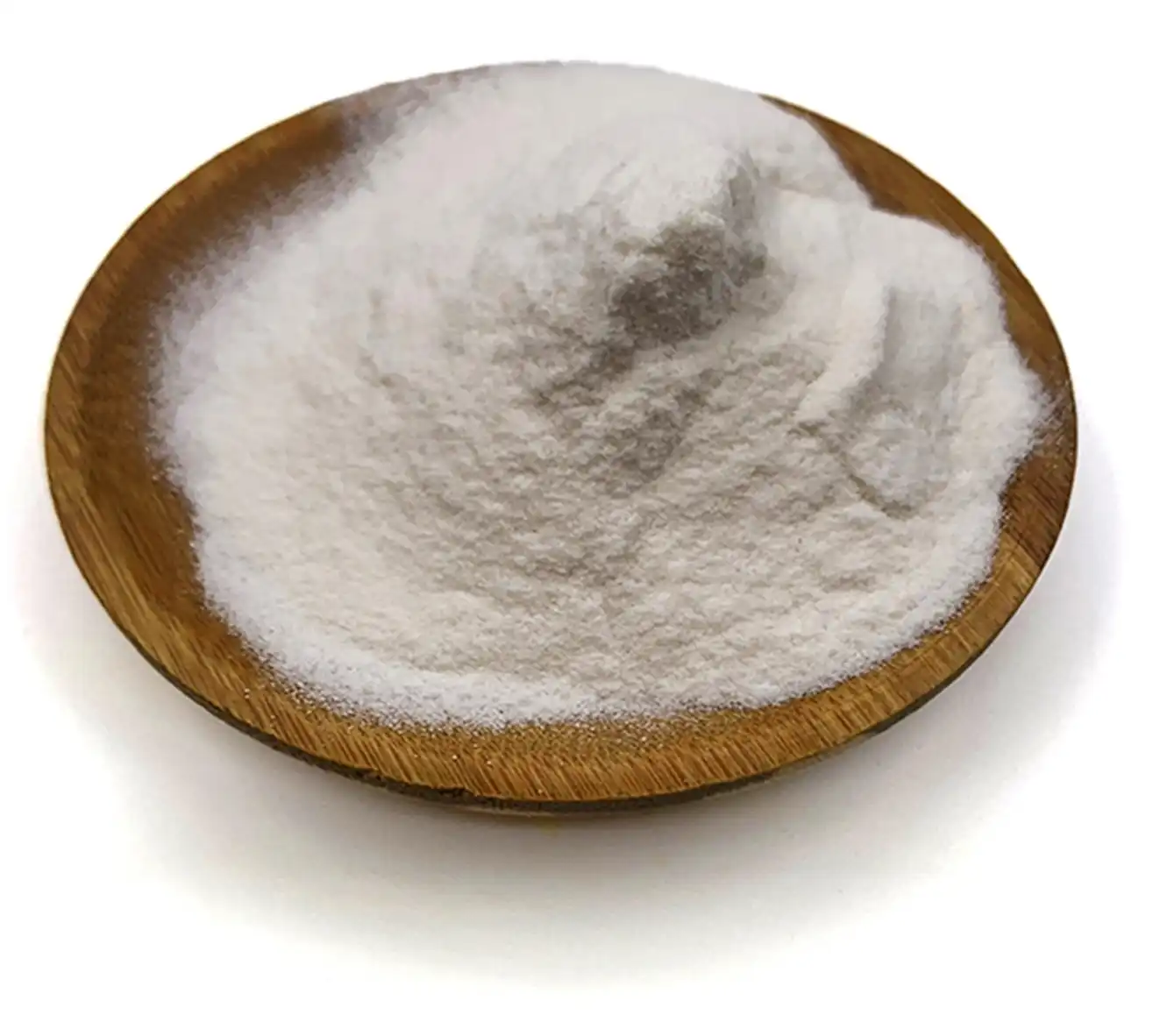
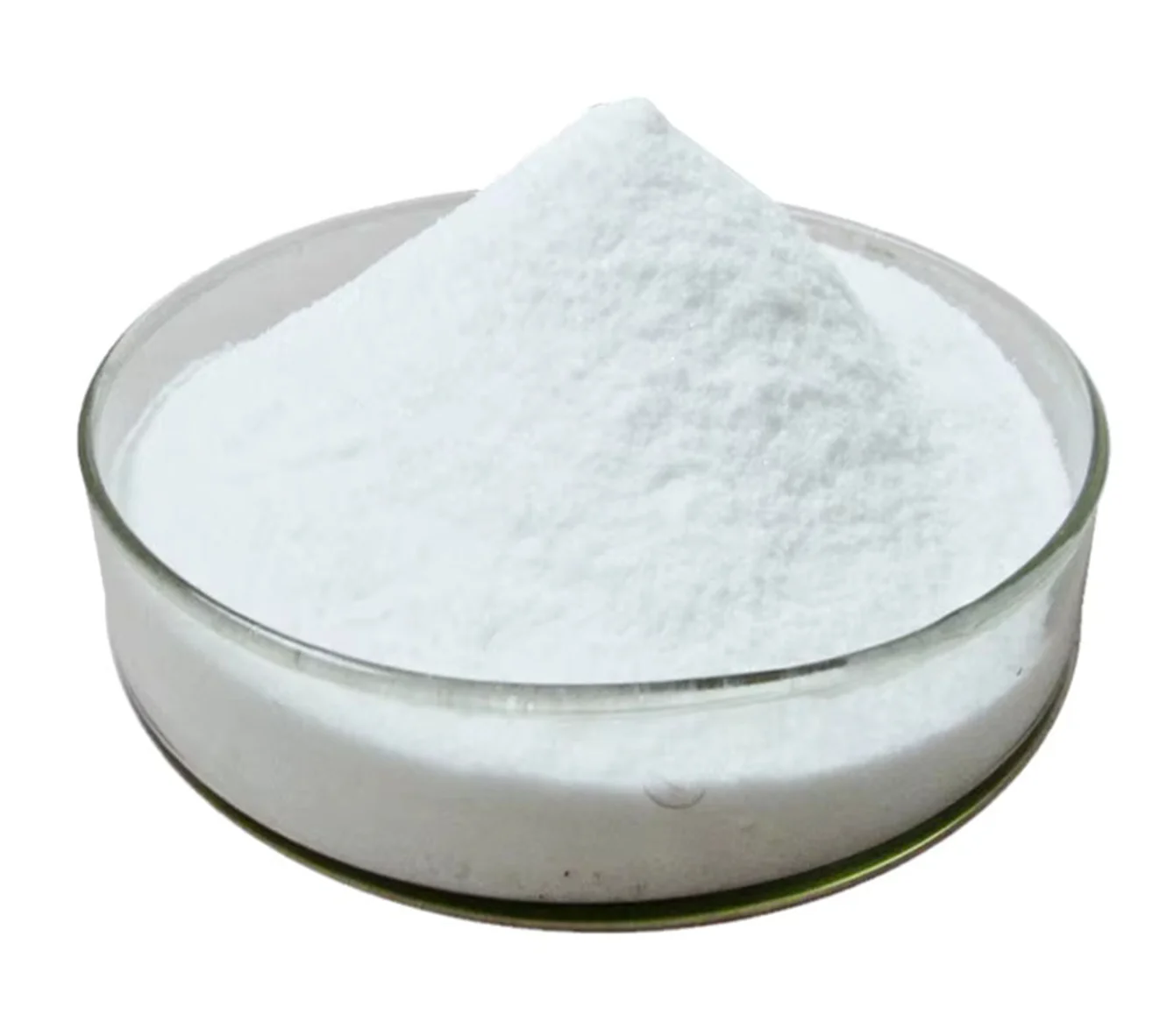
Sodium sulfite powder is a solid material whose appearance, purity, particle characteristics, and other properties depend on the grade and manufacturing specifications.
Sodium sulfite solution refers to sodium sulfite dissolved in water. Its concentration and relevant analytical characteristics should be identified in the applicable technical documentation.
These forms are not interchangeable in every process. Product selection depends on the required chemical specification and the conditions of the intended application.
Sodium sulfite is used across several industrial sectors because of its reducing properties and its ability to remove residual chlorine in certain processes.
Key Chemical Information of Sodium Sulfite
Property | Information |
Chemical name | Sodium sulfite |
Chemical formula | Na₂SO₃ |
CAS Registry Number | 7757-83-7 |
Molar mass | Approximately 126.04 g/mol |
Appearance | Typically white solid or powder |
Water solubility | Soluble in water |
Anhydrous form | Contains no water of crystallization |
The sodium sulfite price, like sodium sulfide ,depends on several factors, including product grade, purity, physical form, order volume, packaging, origin, and delivery destination. Freight costs, applicable trade terms, and current market conditions may also affect the final cost.
A meaningful price comparison should consider more than the quoted price per kilogram. Buyers should also evaluate whether the offered grade meets their specifications, whether the required documentation is available, and what transportation and delivery costs apply.
To request an accurate quotation, provide your required quantity, target specifications, preferred product form, packaging requirements, and delivery location.
Why Buy Sodium Sulfite from KaneAra?
COA, TDS & MSDS prepared and shipped with every order, alongside the CAS number and HS code.
Verify grade and form before committing to a full shipment — arranged directly with the sales team.
Mined and processed at one facility, so grade doesn't drift between batches or shipments.
Payment terms upon agreement.
Support for international transactions.
Export to Russia & CIS countries.
Experience across international markets.
Fast & Professional Response · Transparent Contracts
Quoted against your grade, form, volume, Incoterm and destination port — no fixed catalogue rate.
Send us your required grade, quantity, destination, and packaging, and our team will provide a suitable quotation and technical details.
The chemical formula of sodium sulfite is Na2SO3. For the anhydrous form, its molar mass is approximately 126.04 g/mol. Its CAS Registry Number is 7757-83-7.
Sodium sulfite powder is a dry solid, while a sodium sulfite solution contains the compound dissolved in water. The choice depends on the application, required concentration, handling procedure, storage conditions, and dosing method.
If you are researching sodium sulfite where to buy, start by identifying your required grade, purity, quantity, physical form, and delivery destination. You can contact Kaneara to inquire about current availability, technical documentation, and pricing for your intended application.
Storage conditions should follow the applicable safety data sheet and product documentation. In general, the material should be kept in a properly closed container under suitable conditions and protected from incompatible substances.
The correct grade depends on your application, purity requirements, process conditions, and relevant industry standards. Review the product specifications and consult the supplier before ordering, particularly when the process requires defined impurity limits or a specific concentration.