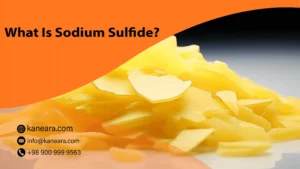
Sodium sulfite (Na₂SO₃) is an inorganic chemical compound widely used as a reducing agent, oxygen scavenger, and antioxidant in various industrial processes. It is particularly important in water treatment, pulp and paper manufacturing, textile processing, and chemical production.
Its ability to react with oxygen and other oxidizing substances makes sodium sulfite a useful chemical for protecting industrial materials, controlling chemical reactions, and improving production efficiency.
Introduction to Sodium Sulfite
Sodium sulfite is a sodium salt of sulfurous acid with the chemical formula Na₂SO₃. It typically appears as a white crystalline powder or solid and dissolves in water to form an alkaline solution.
One of its most important chemical characteristics is its reducing ability. Sodium sulfite can react with dissolved oxygen and certain oxidizing compounds, converting them into less reactive substances.
During its reaction with oxygen, sodium sulfite is converted into sodium sulfate:
2Na₂SO₃ + O₂ → 2Na₂SO₄
This reaction explains why sodium sulfite is commonly used in boiler water treatment, wastewater treatment, and other industrial applications where oxygen removal is necessary.
What Are the Main Sodium Sulfite Uses?
The main sodium sulfite uses are related to its reducing and oxygen-scavenging properties. Different industries use this compound to improve processing conditions, protect equipment, and control chemical reactions.
1. Water Treatment and Wastewater Treatment
Water treatment is one of the most important applications of sodium sulfite. It is used as an oxygen scavenger in boiler feedwater and industrial water systems.
Dissolved oxygen can cause corrosion in boilers, pipelines, and other metal equipment. Sodium sulfite reacts with oxygen and helps reduce the risk of oxygen-related corrosion.
It is also used in wastewater treatment for dechlorination, where it helps remove residual chlorine before treated water is discharged or reused.
2. Pulp and Paper Industry
Sodium sulfite plays an important role in pulp and paper manufacturing. It is used in sulfite-based pulping processes and other chemical treatments of wood fibers.
Its reducing properties help control chemical reactions during processing and support the treatment of pulp materials.
3. Textile Industry
In textile manufacturing, sodium sulfite is used in certain bleaching, dyeing, and finishing processes.
One of its functions is to neutralize residual chlorine after bleaching. This helps prevent unwanted chemical reactions that could affect fabric quality.
It can also serve as a reducing agent in specific textile processing applications.
4. Food Processing Industry
Sodium sulfite is used as an antioxidant and processing aid in certain food applications. It helps limit oxidation, discoloration, and unwanted changes in food products.
Its permitted applications depend on food regulations and the required concentration. Only suitable food-grade material should be used in food processing.
5. Chemical Manufacturing
Sodium sulfite is widely used as a reducing agent and as a source of sulfite ions in chemical production.
Depending on the process, it can participate in reduction reactions, control oxidation, and support the production or treatment of other chemical compounds.
Other applications include leather processing, electroplating, and photographic processing.
How to Select the Right Sodium Sulfite for Industrial Use
Choosing the appropriate sodium sulfite depends on the intended application and the technical requirements of the production process.
Industrial buyers should consider the following factors:
- Purity and concentration: The required sodium sulfite content depends on the application and process specifications.
- Grade: Industrial-grade and food-grade products have different quality and compliance requirements.
- Physical form: Powder, crystals, and hydrated forms may differ in handling and active chemical content.
- Technical documentation: A Certificate of Analysis (COA) and Technical Data Sheet (TDS) help verify product specifications.
For bulk purchasing, selecting a reliable sodium sulfite supplier is equally important to ensure consistent product quality and dependable supply.
Conclusion
Sodium sulfite is an important industrial chemical because of its reducing, antioxidant, and oxygen-scavenging properties. Its applications range from boiler water treatment and wastewater dechlorination to pulp and paper production, textile processing, and chemical manufacturing.
Understanding its chemical properties, intended application, and quality requirements helps industrial buyers select the right sodium sulfite grade for their production needs.
Frequently Asked Questions
1- What is sodium sulfite mainly used for?
Sodium sulfite is mainly used as a reducing agent and oxygen scavenger in water treatment, pulp and paper manufacturing, textile processing, food production, and chemical industries.
2- Is sodium sulfite soluble in water?
Yes. Sodium sulfite is water-soluble, making it suitable for industrial processes that require aqueous chemical solutions.
3- Is sodium sulfite safe to handle?
Sodium sulfite requires appropriate industrial handling. Its dust can irritate the respiratory tract, and contact with strong acids can release sulfur dioxide. Proper ventilation, protective equipment, and adherence to the product Safety Data Sheet (SDS) are essential.