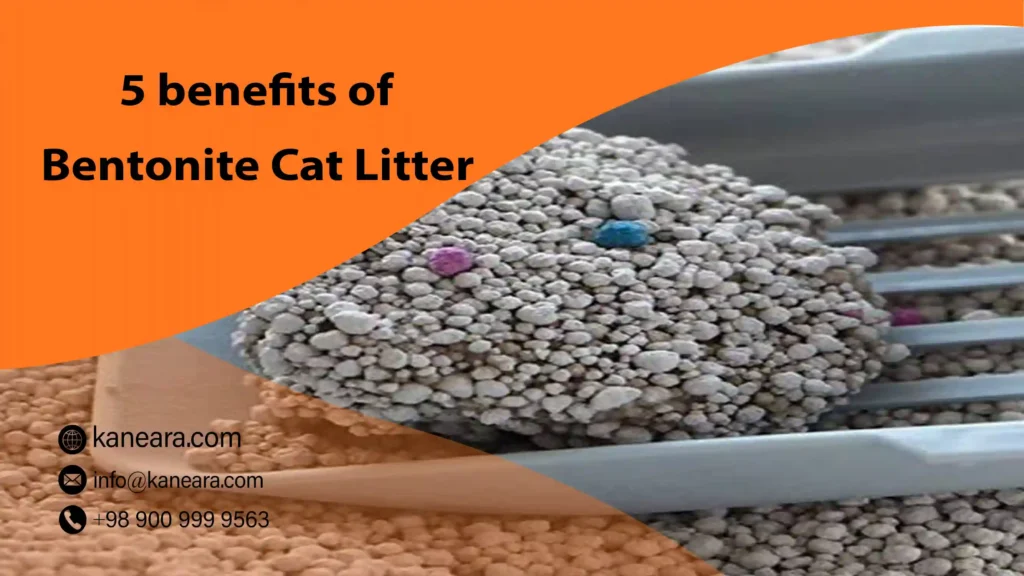
Bentonite cat litter is one of the most widely used clumping litter options because it combines strong moisture absorption with easy waste removal. When the right type of bentonite comes into contact with liquid, it swells and forms a compact clump that can be scooped out without replacing all of the clean litter.
But not all bentonite litter performs the same way. The type of bentonite, particle size, dust level, fragrance, and clumping performance can all affect the experience for both cats and their owners.
Here are the five main benefits of bentonite cat litter, along with its limitations, safety considerations, and practical tips for choosing the right product.
Is Bentonite Cat Litter Safe for Cats?
Bentonite is a naturally occurring clay, but the safety of a finished cat-litter product depends on factors such as dust generation, additives, and how the litter is used.
One of the main practical considerations is dust. Excessive airborne dust can be irritating, particularly for cats or people with respiratory sensitivities. For this reason, low-dust formulations are generally preferable. Veterinary-oriented guidance also recommends paying attention to dust levels and choosing a litter appropriate for the individual cat.
Kittens require additional care. Very young kittens may investigate or ingest litter while learning to use the tray, which is why non-clumping litter is often recommended during the earliest stage. Guidance for older kittens varies, but unscented litter and close observation are sensible choices.
Never assume that every bentonite litter has identical safety characteristics. The formulation, dust level, additives, and age of the cat all matter.
Why Bentonite Works Well in Cat Litter
The main value of bentonite in cat litter comes from how the clay behaves when it encounters moisture. In particular, some bentonite grades can absorb liquid, swell, and form firm clumps that are easier to remove than loose or crumbly waste.
For cat-litter applications, performance is influenced by the specific grade, particle-size distribution, moisture content, and formulation. This means that two products marketed as bentonite litter can perform differently in terms of clumping strength, absorption, dust, and tracking.
For buyers evaluating bentonite cat litter, these performance factors are more useful than simply checking whether a product contains bentonite. Comparing clumping strength, absorption, dust level, and particle characteristics can help determine whether the material is suitable for the intended application.
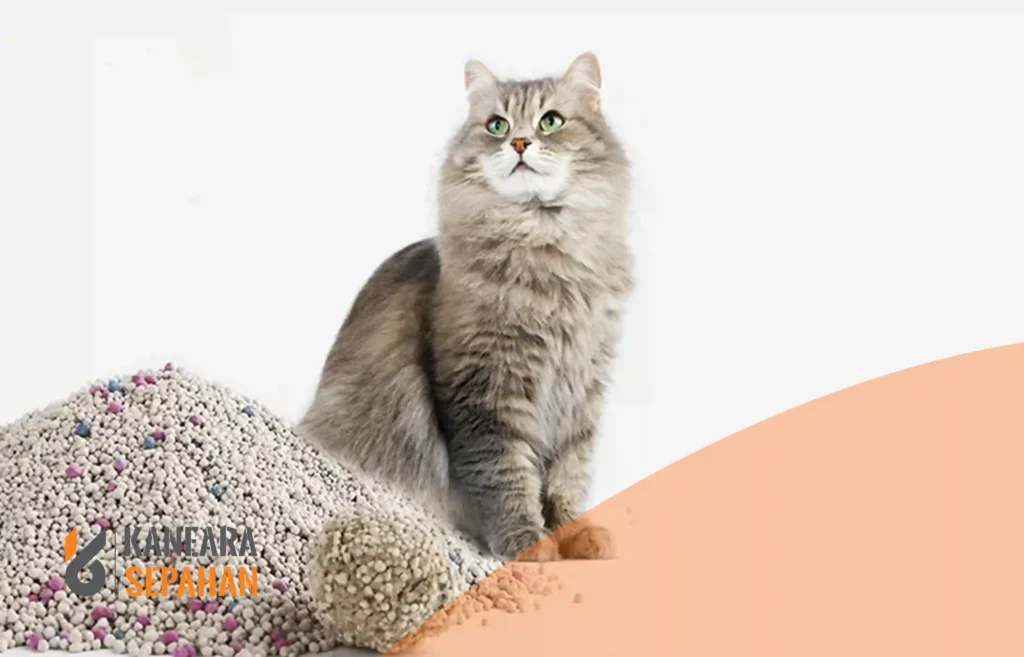
1. Strong Clumping Makes Cleaning Easier
The biggest advantage of sodium bentonite litter is its ability to form firm clumps.
When urine reaches the litter, the clay absorbs the moisture and binds together. Instead of allowing liquid to spread through a large portion of the litter box, the soiled material becomes a localized clump that can be removed.
This makes daily maintenance simpler:
- Waste can be removed without emptying the entire box.
- More of the clean litter remains usable.
- Wet areas are easier to identify and remove.
- The litter box can be maintained more consistently.
Clumping litter is therefore particularly practical for households that prefer daily scooping rather than frequent complete litter replacement.
2. High Moisture Absorption Helps Keep the Box Manageable
Bentonite is valued for its moisture absorption. As the clay particles interact with liquid, they swell and help contain moisture within the clump.
For cat owners, the practical benefit is not simply “high absorption.” It is the combination of absorption and removability.
A litter that absorbs urine but does not allow the soiled material to be removed efficiently can still create maintenance problems. Clumping bentonite addresses both parts of the process: it absorbs moisture and creates a scoop able mass.
The actual performance, however, depends on the bentonite grade, particle size, formulation, and product specifications. For this reason, manufacturers and bulk buyers should evaluate test results rather than relying only on generic claims such as “highly absorbent.”
3. Bentonite Can Help With Odor Management
Odor control is another reason bentonite litter is popular.
When urine is rapidly absorbed and contained within a clump, there is less free liquid remaining in the litter box. Removing the soiled material regularly also helps prevent odors from building up over time.
Some commercial litter products combine bentonite with additional odor-control ingredients, such as activated carbon or other additives. These should not be confused with the odor-control properties of the bentonite itself.
For households with multiple cats, regular scooping and adequate litter-box maintenance are just as important as the litter material. A high-performing litter cannot compensate for a box that is cleaned too infrequently.
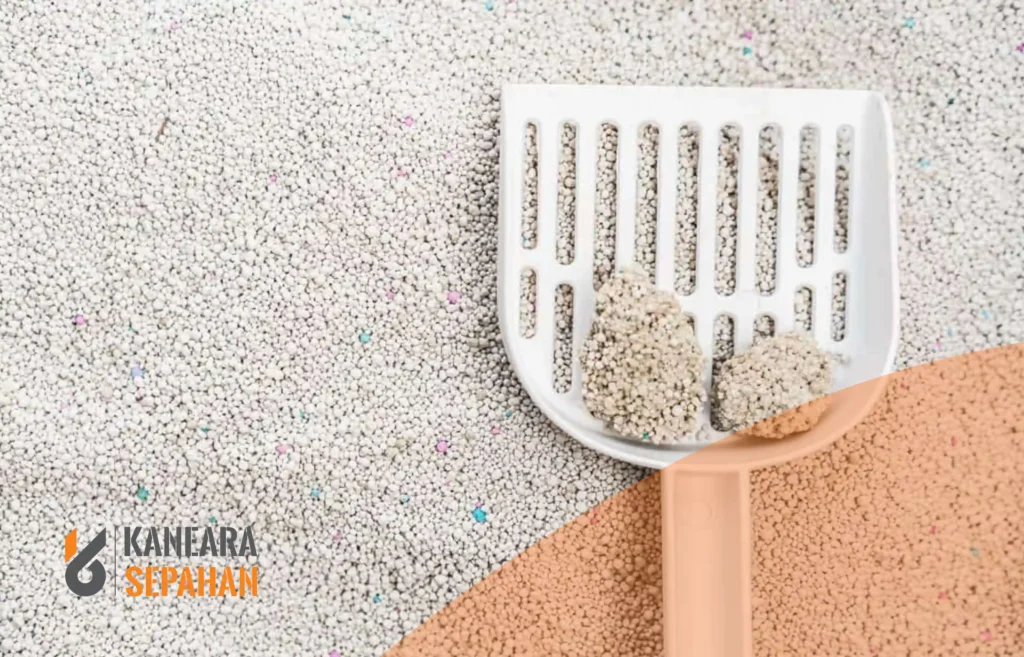
4. Efficient Scooping Can Reduce Unnecessary Litter Waste
One of the practical advantages of clumping litter is selective removal.
With non-clumping litter, urine can spread into a larger area, making it more difficult to remove only the contaminated material. Clumping bentonite allows the user to remove the soiled portion while leaving much of the surrounding litter in place.
This can make the litter easier to manage over time and can reduce unnecessary disposal.
However, “one bag lasts a certain number of weeks” is not a universal rule. Consumption depends on the number of cats, litter-box size, litter depth, scooping frequency, and individual cat behavior.
For that reason, a better way to compare products is to look at their clumping performance, absorption, dust level, and actual consumption in use, rather than relying on a fixed lifespan claim.
5. Fine, Sand-Like Textures Can Be Comfortable for Many Cats
Cats can be selective about the texture of their litter.
Many cats prefer a fine, sand-like material that is easy to dig in and cover. Bentonite litter can provide this type of texture, although particle size varies between products.
Texture is particularly important when introducing a new litter. A cat that dislikes the texture, fragrance, or box setup may avoid the litter box even when the litter itself performs well.
Recent cat-care guidance also emphasizes that there is no single litter type that is best for every cat. Individual preference matters, and unscented, fine-textured litter is often a practical starting point.
Read more: What is bentonite cat litter?
Bentonite Cat Litter vs. Other Litter Types
There is no universally “best” litter. The right choice depends on what matters most to the cat and owner.
| Litter Type | Main Advantage | Main Trade-Off |
|---|---|---|
| Bentonite Clay | Strong clumping and easy scooping | Mining and disposal considerations |
| Silica Crystal | High moisture absorption | Different texture and higher product cost in some markets |
| Wood/Paper | Plant-based alternative | Different absorption and clumping behavior |
| Corn/Wheat | Biodegradable option | Performance varies by formulation |
Bentonite often stands out when clumping performance and simple daily cleaning are the priority. Plant-based litters may be more attractive to buyers who prioritize renewable materials.
Read more: Tofu cat litter vs bentonite cat litter
How to Use Bentonite Cat Litter Effectively
Good litter performance also depends on proper maintenance.
Start with a suitable layer of litter that gives the cat enough material to dig and cover waste. Scoop solid waste and urine clumps regularly, ideally every day, and replenish the litter as needed.
Keep the litter box clean and place it in a location that is quiet and easy for the cat to access. Avoid sudden changes in litter type when possible, especially when introducing a new cat to the home. Cats can develop clear preferences for a particular litter texture or scent.
Do not flush used bentonite litter down the toilet. Bag it and dispose of it according to local waste-disposal rules.
Conclusion
Bentonite remains a popular cat-litter material because it solves several practical problems at the same time: it can absorb moisture, form scoopable clumps, help manage odors, and simplify daily litter-box cleaning.
Its advantages should be considered alongside its limitations, including mining impacts, dust, disposal, and the fact that not every cat prefers the same texture or formulation.
For consumers, the best product is the one that combines good clumping performance with low dust and a texture the cat accepts. For bulk buyers, consistent specifications and reliable supply are equally important.
The most useful way to evaluate bentonite cat litter is therefore not simply to ask whether bentonite is “good” or “bad,” but to look at the grade, formulation, performance, safety considerations, and intended use.
Frequently Asked Questions
1- Is bentonite cat litter the same as clumping litter?
Not always, but sodium bentonite is one of the main materials used to make clumping cat litter. Calcium bentonite generally has lower swelling and may be used in non-clumping formulations.
2- Is bentonite litter good for odor control?
It can be effective because it absorbs moisture and allows urine clumps to be removed from the box. Overall odor control also depends on regular scooping, ventilation, litter-box design, and the specific formulation.
3- Is unscented bentonite litter better?
Unscented litter can be a good option for cats that are sensitive to strong fragrances. Individual preferences vary, so the cat’s behavior after a litter change is an important indicator.
4- Can kittens use bentonite litter?
Very young kittens may ingest litter while learning to use the box, so non-clumping litter is commonly recommended at that stage. As kittens grow older, the appropriate choice can depend on their behavior and the guidance of a veterinarian.
5- Can bentonite cat litter be flushed?
No. Used bentonite litter should not be flushed because clay litter can create plumbing problems. Dispose of it according to local waste-disposal guidance.